
PV-energy-storage-integraged-system
Buy PV and Storage System from OEM Manufacturer Direct

Buy PV and Storage System from OEM Manufacturer Direct

📌 Description

Buy PV and storage systems directly from OEM manufacturers to cut out middlemen, save 15-30% on costs, and gain customization options for battery capacity or panel frame colors. Direct purchasing ensures quality assurance, accurate specs, and direct technical support from engineers. Learn how to select a reliable OEM partner with proven production capacity, certifications like UL, IEC, or TÜV, and a track record in solar and storage. Discover the trade-offs and benefits of bypassing distributors for competitive pricing and faster delivery timelines.

Updatetime : 2026-08-14

Author : Admin

Hits : 14

📌 Product Introduction

Article Outline

Learn how purchasing photovoltaic and storage systems directly from OEM manufacturers can reduce costs, ensure quality, and streamline your supply chain.

Why Buy Direct from OEM Manufacturers→
Key Benefits of OEM Direct Purchasing→
How to Select the Right OEM Manufacturer→
Steps to Place a Direct Order→
Common Pitfalls and How to Avoid Them

Why Buy Direct from OEM Manufacturers

Have you ever wondered why some solar installers seem to have a clear cost advantage over others? The secret often lies in their supply chain. Buying PV and storage systems directly from OEM manufacturers cuts out middlemen like distributors and wholesalers. This isn’t just about saving a few bucks—it’s about gaining control over your product quality and delivery timelines. When you go direct, you’re essentially partnering with the company that designed and built the equipment. No more wondering if your panels come from a reliable source or if the battery specs are accurate. You get the real deal, straight from the source. But is it always the right move? Let’s break it down.

Key Benefits of OEM Direct Purchasing
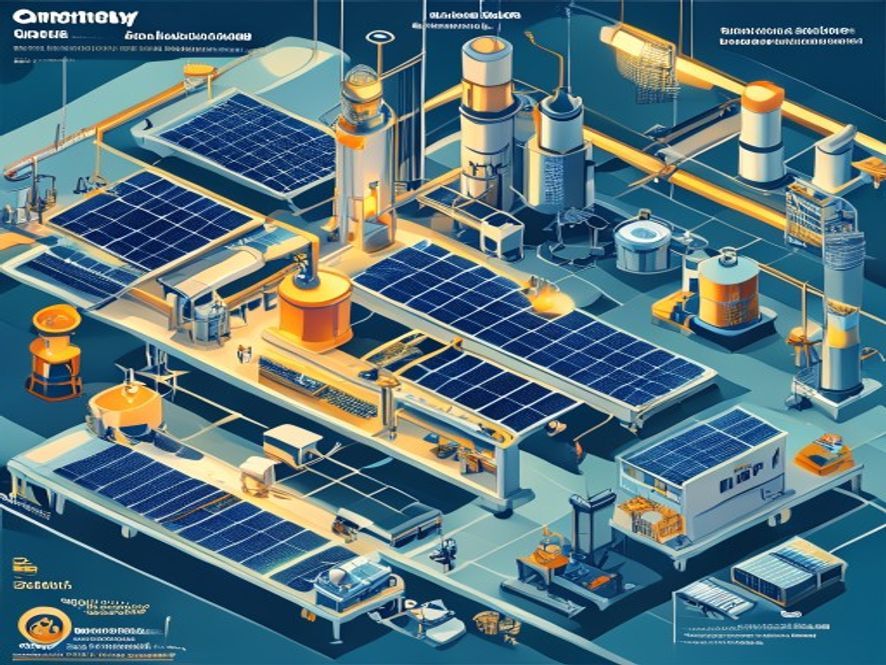
Visualizing the streamlined supply chain when buying directly from an OEM manufacturer.
So, what exactly do you gain by buying direct? First, cost savings are significant. Distributors typically add a 15-30% markup on OEM products. By bypassing them, you can either pocket that margin or offer more competitive pricing to your customers. Second, you get customization options that aren’t available through standard channels. Need a specific battery capacity or a unique panel frame color? OEMs are often happy to accommodate. Third, there’s quality assurance. When you buy from a distributor, you’re trusting their inventory management. With OEM direct, you know the product was handled properly from factory to your door. Finally, technical support becomes more direct. Instead of waiting for a distributor to relay your question to the manufacturer, you can talk to the engineers themselves. Sounds good, right? But there are trade-offs.

How to Select the Right OEM Manufacturer

Choosing the right partner isn’t as simple as picking the cheapest option. You need to ask yourself: Does this manufacturer have a proven track record in solar and storage? Check their production capacity and certifications like UL, IEC, or TÜV. A factory that produces 500 MW of panels per year is vastly different from one making 5 GW. Also, consider their global logistics capabilities. Can they ship to your location without astronomical freight costs? Look for manufacturers with regional warehouses or partnerships with reliable freight forwarders. Another crucial factor is warranty support. Some OEMs offer 25-year performance warranties but have limited service networks. If you’re in Europe and their only service center is in China, that’s a problem. Talk to existing customers, visit the factory if possible, and always ask for references. A good OEM will be transparent about their limitations.

Selecting the right OEM manufacturer through direct consultation and factory visits.

Steps to Place a Direct Order

Ready to make the leap? Here’s a practical roadmap. First, request a quotation for your specific system size. Don’t just ask for a price list—provide details like panel wattage, battery chemistry (LFP vs. NMC), and inverter type. Second, negotiate payment terms. Most OEMs require a 30% deposit upfront, with the balance due before shipment. Some offer L/C (letter of credit) for larger orders. Third, finalize the contract, including delivery timelines and penalties for delays. Fourth, arrange logistics. Decide whether you want FOB (free on board) or DDP (delivered duty paid). DDP is easier but more expensive. Finally, plan for quality inspection. Hire a third-party inspector to check the goods before they leave the factory. It costs a few hundred dollars but can save you thousands in defective products. One more thing: always order a sample unit first, even if it’s just one battery or a single panel. Test it in your system before committing to a container load.

Common Pitfalls and How to Avoid Them

Frequently Asked Questions (FAQ)

Q: What are the main benefits of buying PV and storage systems directly from OEM manufacturers?
A: Key benefits include cost savings (avoiding 15-30% distributor markup), customization options, quality assurance, and direct technical support from the engineers who designed the equipment.
Q: How can I select the right OEM manufacturer for solar and storage systems?
A: Check their production capacity, certifications like UL or IEC, global logistics capabilities, and warranty support. Visit the factory if possible and ask for customer references to ensure reliability.
Q: What steps are involved in placing a direct order with an OEM manufacturer?
A: First, request a quotation with system details like panel wattage and battery chemistry. Then negotiate payment terms, typically a 30% deposit with balance due before shipment.
Q: Are there any trade-offs or risks when buying direct from OEMs?
A: Yes, trade-offs include potential higher minimum order quantities, longer lead times, and the need to manage logistics yourself. You also need to verify warranty service networks in your region.