
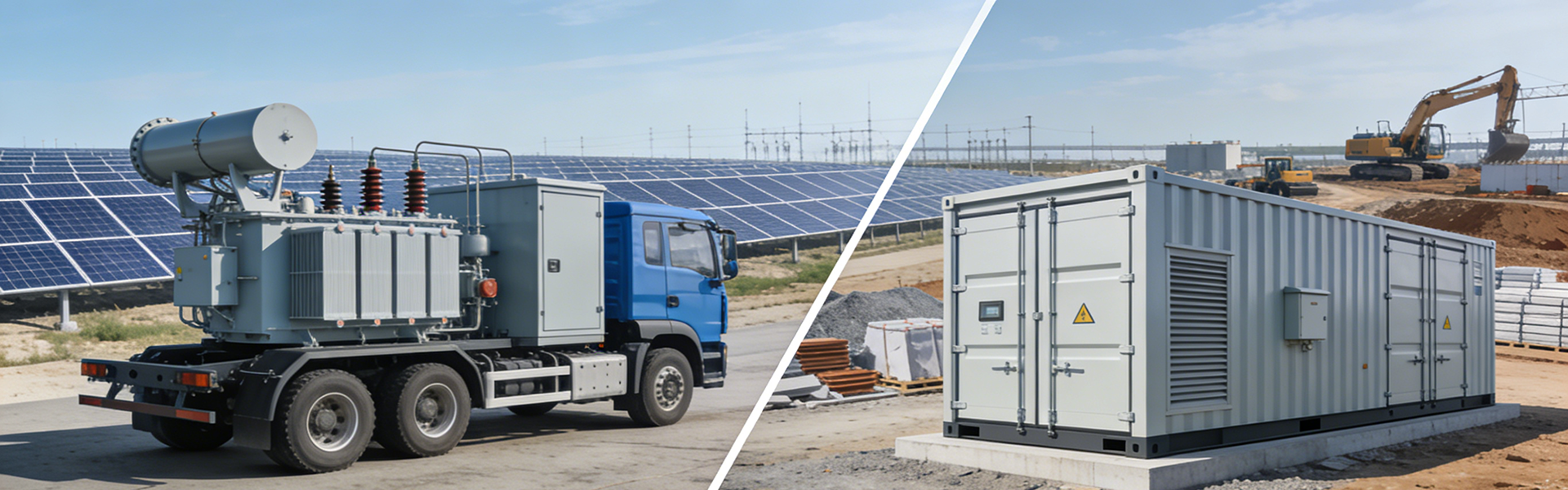

Introduction to Rapid Deployment Solar Systems
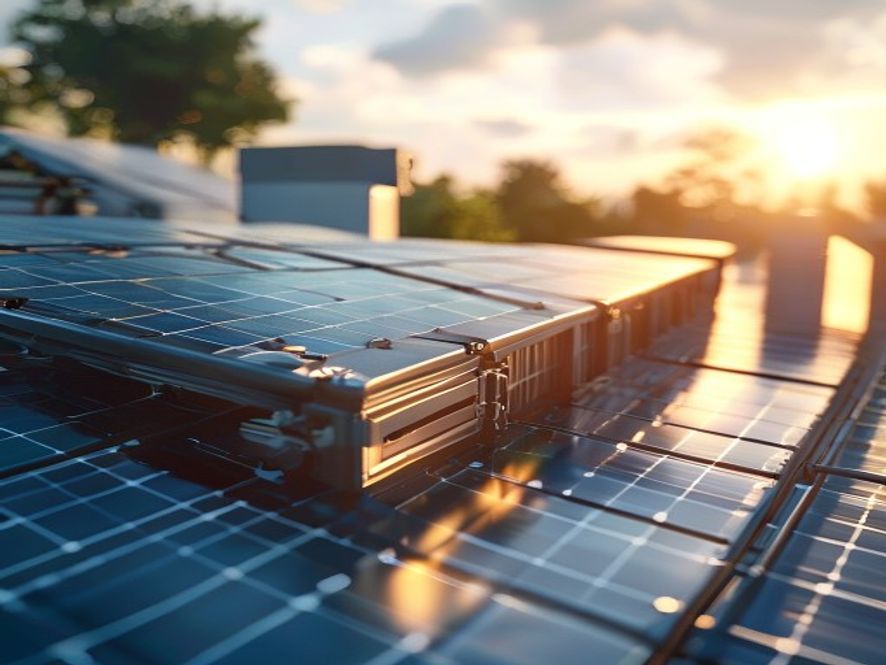
Core Components: PV Panels and Battery Storage
At the heart of any rapid deployment system are two main players: the PV panels and the battery storage unit. PV panels, typically monocrystalline or polycrystalline, convert sunlight into direct current (DC) electricity. But here’s the twist—these panels are often pre-wired and mounted on adjustable frames, so they can be tilted for optimal sun exposure without heavy structural work. Then there’s the battery, usually lithium-ion, which stores excess energy for use during cloudy days or peak demand hours. Together, they form a hybrid system that can operate grid-tied or off-grid. Don’t forget the inverter, which transforms DC to alternating current (AC) for your building. Some systems even include smart controllers that automate charging and discharging based on real-time weather forecasts or electricity prices. It’s like having a tiny, intelligent power plant on your rooftop.
| Component | Function | Typical Lifespan | Key Benefit |
|---|---|---|---|
| PV Panels | Convert sunlight to DC electricity | 25-30 years | Low maintenance |
| Lithium-ion Battery | Store excess energy | 10-15 years | High efficiency |
| Inverter | Convert DC to AC for building use | 10-15 years | Smart grid integration |
| Mounting System | Secure panels on roof or ground | 25+ years | Rapid installation |
Advantages of Rapid Deployment for Commercial Sites
Why should a business choose rapid deployment over traditional solar? For starters, speed is a game-changer. A typical commercial solar project might take 4-6 months from design to grid connection; rapid systems can cut that to 2-4 weeks. This is huge for companies with tight deadlines or seasonal energy spikes, like warehouses prepping for holiday rushes. Then there’s cost predictability: since components are pre-assembled, you avoid surprise expenses from custom engineering or delays. Plus, many systems come with integrated monitoring, so you can track energy production and savings in real time on your phone. Another hidden perk? Scalability. You can start small—say, with 50 kW of panels and a 100 kWh battery—and add more modules later as your business grows. It’s like building with LEGO blocks, but for electricity. And let’s not forget the environmental boost: lowering your carbon footprint can attract eco-conscious customers and employees. So, is rapid deployment just a trend, or a smarter way to go solar? For many businesses, it’s both.
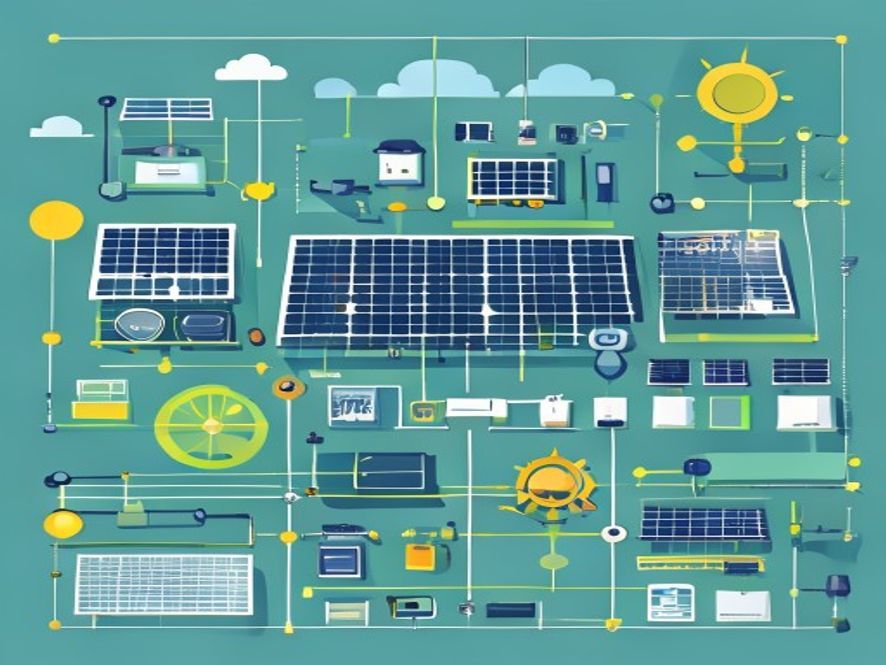
Installation Process and Timeline
The installation process for a rapid deployment system is refreshingly straightforward. First, a site assessment—usually done in a day—to evaluate roof space, sun exposure, and electrical load. No lengthy surveys or complex simulations. Next, the equipment arrives pre-assembled on pallets, often with the panels already wired to microinverters. The actual installation involves mounting the panels on the roof or ground, connecting the battery unit indoors, and linking everything to the building’s main electrical panel. Most commercial sites require a crane for lifting, but the whole process takes just 1-2 weeks. After that, a quick inspection and grid connection, and you’re live. Compare that to traditional solar, where you might wait weeks for permits alone. The timeline is compressed because everything is standardized: no custom brackets, no specialized wiring. For businesses, this means minimal downtime—your operations can continue almost uninterrupted. And if you’re worried about quality, rest assured that rapid systems still meet industry standards for safety and durability.