
Have you ever wondered what it would feel like to cut the cord—not from your phone, but from the power grid entirely? Off-grid solar systems are no longer just for remote cabins or doomsday preppers. They’re becoming a practical, even exciting, option for homeowners who crave energy independence. But how do you actually design one that works? Let’s break it down, piece by piece, without the jargon overload.
Understanding Off-Grid Solar Power Systems
First, let’s clear up a common misconception: off-grid doesn’t mean “solar with a backup battery.” It means your home is completely disconnected from the utility grid. No poles, no wires, no monthly electric bill—just pure self-reliance. Is that liberating? Absolutely. But it also shifts the responsibility entirely onto your shoulders. Every watt you use is a watt you’ve generated or stored. That’s a mindset shift as much as a technical one.
The beauty of off-grid living is the quiet hum of independence. However, it demands respect for your energy budget. Unlike grid-tied systems, you can’t just “borrow” power when clouds roll in. So, the first rule is simple: know your consumption before you buy a single panel.
Key Components: Solar Panels, Batteries, and Inverters
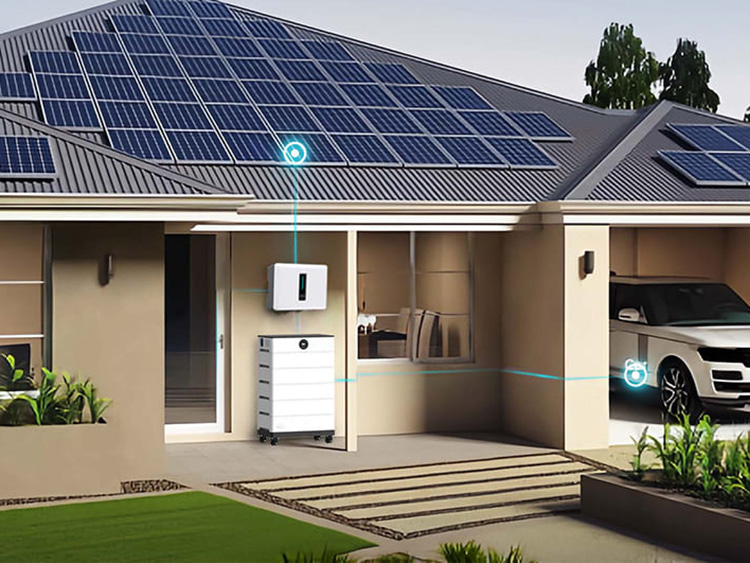
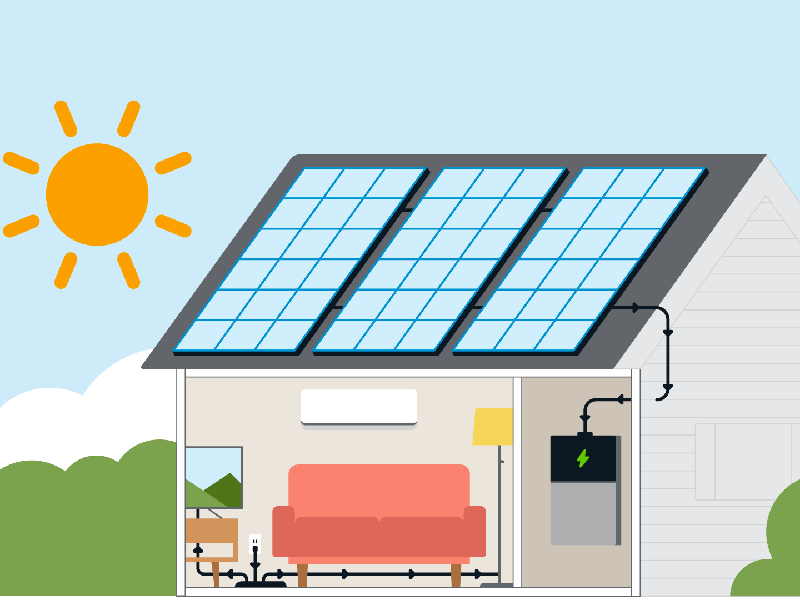
Think of your off-grid system as a three-piece band: the solar panels are the singers (producing energy), the batteries are the memory (storing it), and the inverter is the interpreter (converting DC to AC for your home). Each must perform in harmony—a weak link ruins the whole performance.
Sizing Your Off-Grid System for Home Energy Needs
Here’s the million-dollar question: how big does your system need to be? Start by auditing your daily energy usage in kilowatt-hours (kWh). An average U.S. home uses around 30 kWh per day, but an off-grid home often trims that down to 10–20 kWh through efficient appliances. Let’s visualize a typical setup:
| Usage Scenario | Daily kWh | Solar Array Size | Battery Capacity |
|---|---|---|---|
| Tiny house | 8 kWh | 2.5 kW | 10 kWh |
| Small family | 15 kWh | 4.5 kW | 15 kWh |
| Large home | 25 kWh | 7.5 kW | 25 kWh |
| All-electric | 35 kWh | 10 kW | 40 kWh |
But wait—sizing isn’t just about averages. You need to factor in your worst-case week, not your sunny July afternoon. In winter, solar production can drop by 50% or more. A good rule of thumb is to oversize your array by 20–30% and design your battery bank for at least three days of autonomy. That’s your cushion against consecutive cloudy days.
Installation and Safety Considerations
Now, let’s talk about the physical part. Installing panels on your roof sounds straightforward, but it’s a dance with physics. Tilt angle, shading, and ventilation all affect output. A tree that seems harmless in spring could cast a devastating shadow by August. Before you buy, do a solar site analysis—or simply spend a day watching where the sun hits your property.
Safety is non-negotiable. Off-grid systems carry high DC voltage from panels to batteries, which can be lethal if mishandled. Always use proper fuses, disconnects, and grounding. And honestly? Unless you’re a seasoned electrician, hire a professional for the final connections. The cost is a small price for peace of mind. Also, don’t forget fire safety—batteries should be placed in a ventilated, non-combustible enclosure.