
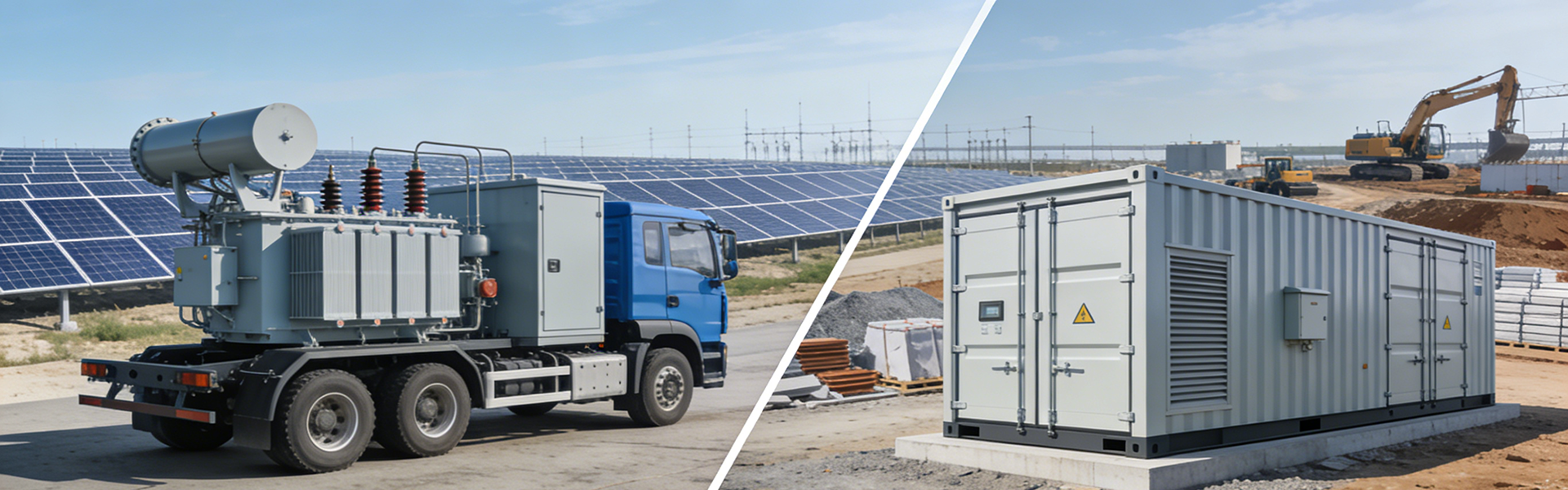
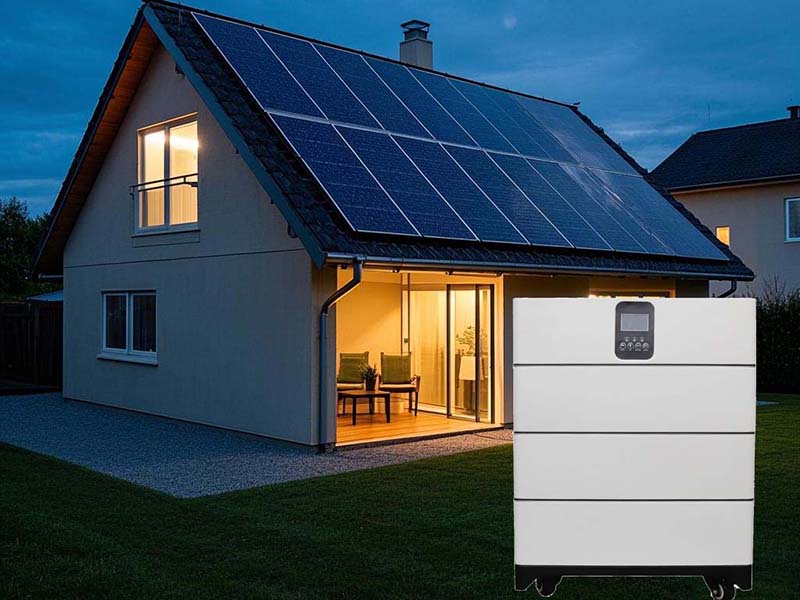
Understanding Off-Grid Power Needs
Before investing in an off-grid system, homeowners must conduct a rigorous energy audit to quantify daily consumption. According to the U.S. Energy Information Administration, an average American household consumes roughly 30 kWh per day, but off-grid homes typically target 10–20 kWh by using efficient appliances and LED lighting. This baseline determines the required generation capacity and storage volume, as undersizing leads to frequent generator reliance while oversizing wastes capital. Climate patterns also dictate seasonal variability—a home in Seattle may need 40% more solar panels than one in Phoenix to achieve the same annual output. Additionally, peak-load events, such as running a well pump or power tools simultaneously, demand surge capacity that batteries must handle without voltage sag. Ignoring these factors results in system failure during extended cloudy periods or high-demand mornings.
Comparing Solar, Wind, and Hybrid Systems
Solar photovoltaic (PV) remains the dominant choice due to falling module costs—now averaging $0.25–$0.35 per watt—and predictable performance. Wind turbines, however, offer complementary generation during winter nights when solar output drops, but they require consistent wind speeds above 5 m/s and taller towers (30–50 feet) to avoid turbulence, which complicates permitting. Hybrid systems that combine both sources can reduce battery cycling by 20–30% in mixed climates, yet their added complexity raises maintenance costs. A 2022 National Renewable Energy Laboratory study found that hybrid configurations achieve a levelized cost of energy (LCOE) of $0.18–$0.25 per kWh, versus $0.15–$0.20 for solar-only in sunny regions. For most residential users, solar-only is the most cost-effective unless they live in persistently cloudy or high-wind zones.
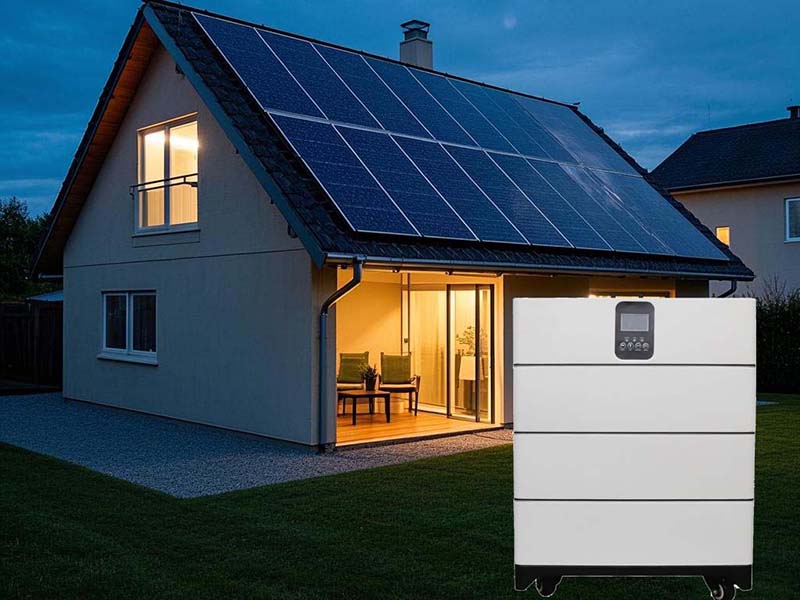
Battery Storage Options: Lithium vs. Lead-Acid
Lithium iron phosphate (LiFePO₄) batteries have overtaken lead-acid as the premium choice, offering 80% usable depth of discharge (DoD) versus 50% for flooded lead-acid. This means a 10 kWh lithium bank delivers 8 kWh of usable energy, while the same capacity lead-acid only provides 5 kWh. Cycle life also diverges sharply: LiFePO₄ maintains 80% capacity after 5,000 cycles, whereas lead-acid degrades to 60% after 1,500 cycles. Over a 15-year lifespan, lithium systems cost $0.08–$0.12 per kWh cycled, compared to $0.15–$0.20 for lead-acid when factoring replacement costs. However, lead-acid still suits budget-conscious users with occasional use, as initial investment is 60% lower. The table below summarizes key technical trade-offs:
| Parameter | LiFePO₄ Lithium | Lead-Acid (Flooded) |
|---|---|---|
| Usable DoD | 80–90% | 50% |
| Cycle Life (80% DoD) | 4,000–6,000 | 1,200–1,800 |
| Energy Density (Wh/kg) | 90–120 | 30–40 |
| Maintenance | None | Watering, cleaning |
| Cost per kWh Cycle | $0.08–$0.12 | $0.15–$0.20 |
| Operating Temperature | -20°C to 60°C | 10°C to 30°C |
Sizing and Installation Considerations
Correct sizing hinges on two variables: daily generation and storage autonomy. A standard formula—daily kWh divided by peak sun hours—yields panel wattage; for example, 20 kWh/day ÷ 4.5 peak hours = 4.4 kW array. Battery capacity should cover 2–3 days of consumption without sun, so 40–60 kWh of storage is typical for full autonomy. Installation requires proper ventilation for batteries, UL-listed charge controllers, and a transfer switch to isolate from grid input if present. Inverter selection matters: 48V systems reduce current and wire losses compared to 24V, while hybrid inverters with built-in MPPT trackers simplify wiring. Local building codes often mandate seismic anchoring for battery racks and arc-fault breakers for DC circuits. Professional installation is recommended for permitting, as DIY errors commonly lead to grounding faults or thermal runaway.
Top System Recommendations and Maintenance Tips
For moderate consumption (15 kWh/day), a 10 kW solar array coupled with 30 kWh LiFePO₄ storage and a 8 kW hybrid inverter is a proven configuration, costing $18,000–$25,000 before incentives. Premium brands like Victron Energy and Tesla Powerwall offer integrated monitoring via mobile apps, while budget-friendly alternatives from Growatt or EG4 provide similar functionality at 20% lower cost. Wind hybrid setups, such as a 3 kW turbine paired with 12 kWh batteries, suit remote coastal or plains properties but require annual blade inspections and bearing lubrication. Regardless of choice, maintenance is non-negotiable: monthly checks of battery terminal torque, quarterly cleaning of solar panels, and firmware updates for the charge controller extend system life by 30%. Logging performance data weekly helps detect capacity fade early, enabling timely cell replacement. Finally, keep a backup generator for prolonged outages—even the best battery bank cannot sustain an off-grid home indefinitely.