📌 Product Introduction
Article Outline
This article provides a comprehensive guide to achieving home power independence through complete solar energy solutions, covering system design, installation, and benefits.
1Understanding Solar Energy Basics for Homes
2Key Components of a Complete Home Solar System
3Designing a Customized Solar Solution for Your Home
4Installation, Maintenance, and Cost Considerations
5Achieving Energy Independence: Benefits and Future Outlook
Understanding Solar Energy Basics for Homes
Solar energy systems convert sunlight into usable electricity through photovoltaic (PV) cells, a technology that has matured significantly over the past decade. The average U.S. household consumes approximately 10,632 kilowatt-hours (kWh) annually, which translates to a system size of roughly 7–9 kW under optimal conditions. However, regional solar irradiance varies dramatically: a home in Phoenix, Arizona, receives about 1,800 peak sun hours per year, while Seattle homeowners get fewer than 1,100. This geographic disparity directly impacts panel output and system sizing. Modern monocrystalline panels achieve 20–23% efficiency, up from roughly 15% in 2010, meaning homeowners now need less roof area to generate the same electricity. Net metering policies in 38 states allow excess generation to offset nighttime consumption, though the financial calculus changes with each utility’s tariff structure.
Key Components of a Complete Home Solar System
A fully functional system comprises four critical elements: PV panels, a string inverter or microinverters, racking/mounting hardware, and monitoring equipment. Battery storage—typically lithium iron phosphate (LiFePO4)—has become increasingly essential for true independence, with the Tesla Powerwall 3 offering 13.5 kWh usable capacity. The inverter choice merits particular scrutiny: microinverters cost 15–20% more than string inverters but improve performance under partial shading and provide per-panel monitoring. Below is a comparison of typical system configurations:
| Component | Entry-Level | Mid-Range | Premium |
|---|
| Panel efficiency | 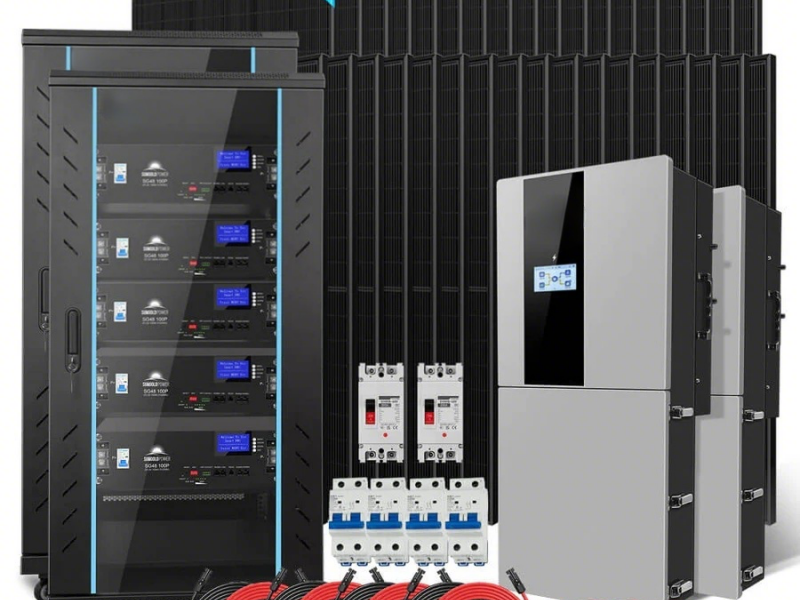
Key components of a complete home solar system |
|
|
Achieving energy independence with solar power for a sustainable future
| 20–21% | 22–23% |
|
|
| Inverter type | String | Optimizer | Microinverter |
| Battery capacity | None | 10–13 kWh | 20+ kWh |
| Monitoring | Basic | Wi-Fi enabled | Real-time analytics |
| Warranty | 10 years | 25 years | 25–30 years |
Designing a Customized Solar Solution for Your Home
The design process begins with a professional energy audit, examining 12–24 months of utility bills to establish baseline consumption patterns. Seasonal variation matters—summer air conditioning loads can triple baseline demand in southern climates. Roof orientation is equally critical: south-facing arrays at a 30–35 degree tilt maximize annual yield, though east-west splits capture morning and evening generation more evenly. A typical 7 kW system requires 350–450 square feet of roof space, which disqualifies roughly 15% of urban homes with small or shaded roofs. Homeowners with unsuitable rooftops can explore ground-mounted systems, though these add $3,000–$5,000 in foundation and trenching costs. Software tools like Aurora or Helioscope model shading from nearby trees and structures with 95% accuracy, allowing designers to optimize panel placement before any hardware is purchased.
Installation, Maintenance, and Cost Considerations
Professional installation typically requires 2–3 days, with labor accounting for 20–25% of the total project cost. The national average price per watt has fallen from $4.50 in 2015 to approximately $2.80 in 2024, meaning a complete 8 kW installation runs $22,000–$25,000 before incentives. The federal Investment Tax Credit (ITC) currently covers 30% of system costs, reducing the net investment to roughly $15,500–$17,500. Maintenance is minimal—annual cleaning and quarterly panel inspection suffice, as most systems have no moving parts. Inverters typically need replacement after 12–15 years, adding $1,500–$2,500 to long-term costs. Battery degradation averages 2–3% per year, meaning a 10 kWh battery will retain roughly 80% capacity after a decade. Payback periods range from 6–12 years depending on local electricity rates, which have risen 4.2% annually over the past five years, accelerating returns.
Frequently Asked Questions (FAQ)
Q: What size solar system does the average U.S. home need?
A: The average U.S. household uses about 10,632 kWh annually, requiring a 7–9 kW system under optimal conditions, though regional sunlight affects sizing.
Q: What are the key components of a complete home solar system?
A: A complete system includes PV panels, an inverter (string or microinverter), racking/mounting hardware, and monitoring equipment. Battery storage like the Tesla Powerwall is optional but enhances independence.
Q: How does my location affect solar panel output?
A: Regional solar irradiance varies: Phoenix gets about 1,800 peak sun hours yearly, while Seattle gets under 1,100. More sun hours mean higher output and smaller system needs.
Q: What is the advantage of microinverters over string inverters?
A: Microinverters cost 15–20% more but improve performance under partial shading and provide per-panel monitoring, making them a premium choice for complex roofs.
Q: Can I install solar if my roof is unsuitable?
A: Yes, ground-mounted systems are an option, though they add $3,000–$5,000 in foundation and trenching costs. About 15% of urban homes may need this alternative.