
Introduction to 100kW+ PV and Storage Systems
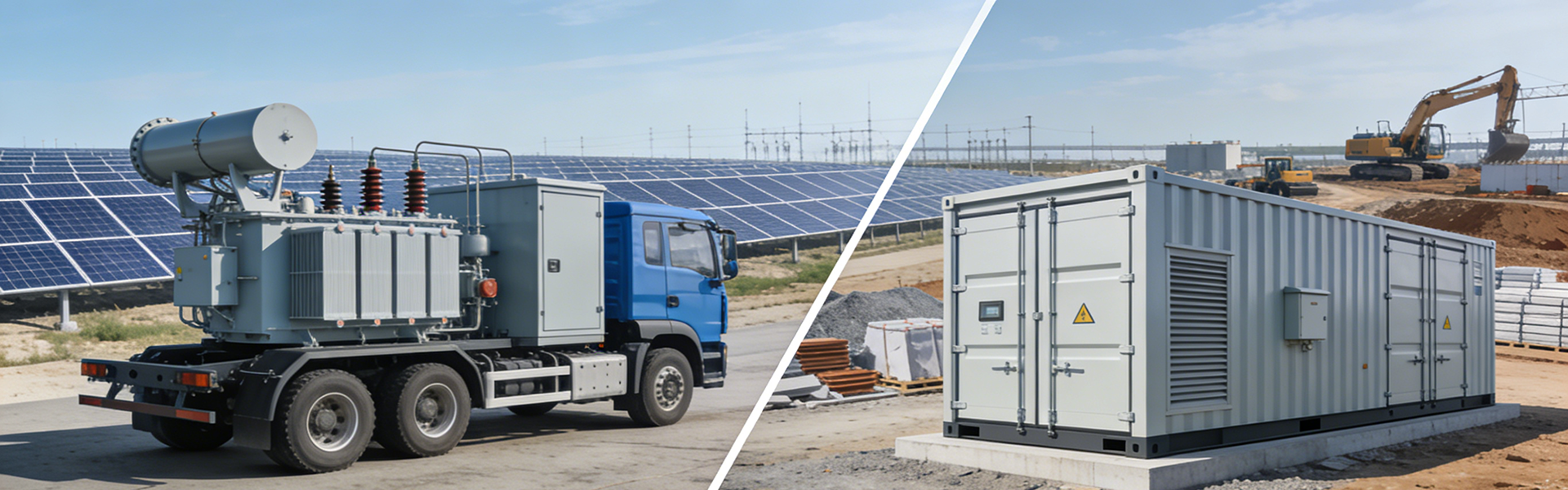
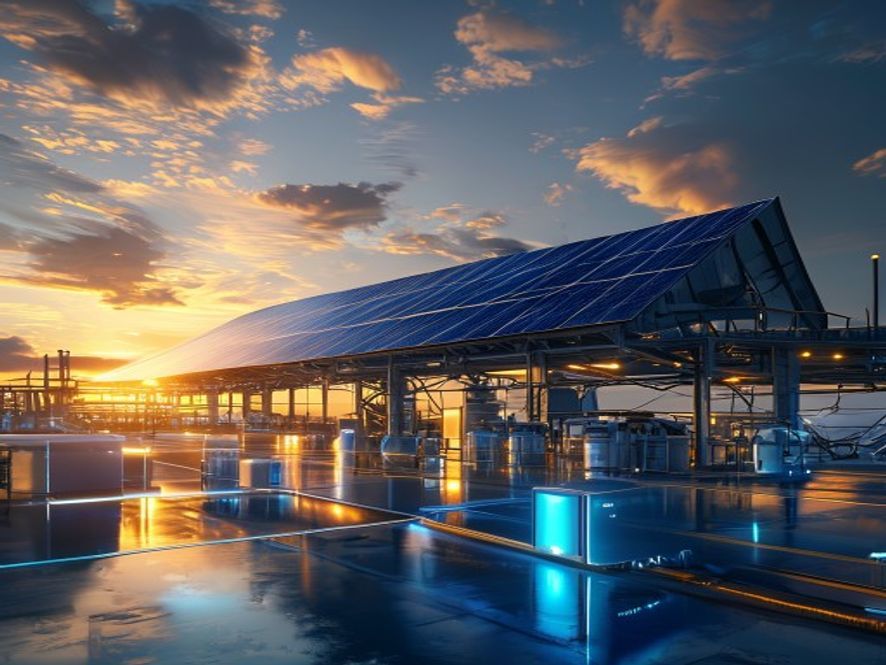
The demand for large-scale photovoltaic and storage systems exceeding 100kW has surged as industries seek energy independence and cost reduction. These systems integrate solar generation with battery storage to stabilize grid supply and lower peak demand charges. Unlike smaller residential setups, they require robust engineering to handle high voltage and variable loads. For example, a manufacturing plant can offset 40% of its energy costs by pairing a 300kW solar array with a 200kWh storage unit. This scalability makes them ideal for factories, data centers, and agricultural operations.
Key Components and System Architecture
A typical 100kW+ system comprises high-efficiency monocrystalline panels, bi-directional inverters, and lithium-ion battery racks. The architecture often employs a DC-coupled design to minimize conversion losses, improving overall efficiency by 5-8%. Centralized inverters manage power flow, while energy management systems (EMS) optimize charging cycles based on real-time pricing. Below is a comparison of common component configurations:
| Component | Type A (Standard) | Type B (Premium) | Type C (Hybrid) |
|---|---|---|---|
| Solar Panels | 400W Polycrystalline | 500W Monocrystalline | 450W Bifacial |
| Inverter | 100kW String | 150kW Central | 120kW Hybrid |
| Battery | 200kWh LFP | 300kWh NMC | 250kWh LTO |
| EMS | Basic Scheduling | AI-Driven | Cloud-Integrated |
| Lifespan | 20 Years | 25 Years | 22 Years |
Custom OEM Factory Solutions and Benefits
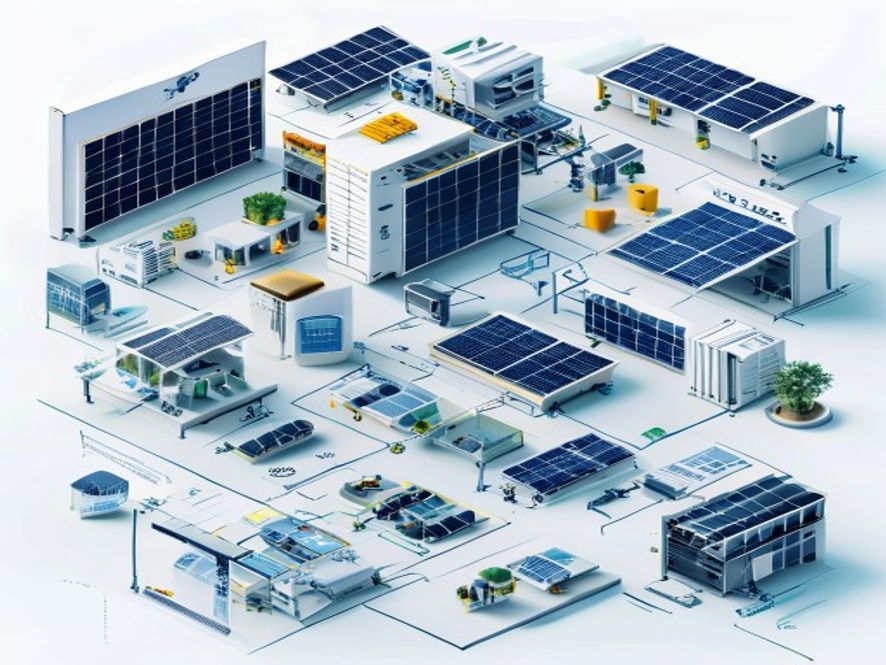
Custom OEM factories provide tailored solutions that address specific site constraints—such as rooftop weight limits or shading from adjacent structures. Key advantages include modular design for phased installation, proprietary battery management systems (BMS) that extend cycle life, and pre-engineered wiring harnesses that cut installation time by 30%. For instance, a European OEM recently delivered a 500kW system with integrated thermal management, reducing battery degradation by 15% in hot climates. Factories also offer white-label options, enabling local distributors to brand the system under their own name. This flexibility is critical for scaling operations without sacrificing reliability.
Application Scenarios and Case Studies
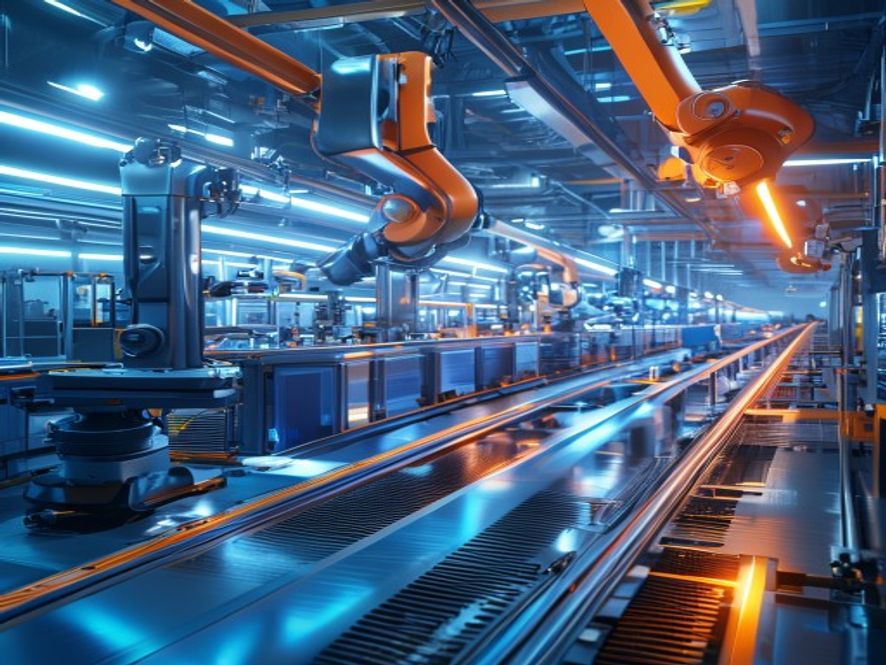
Industrial warehouses with 10,000 sqm roofs can deploy 1MW systems, achieving net-zero operations within three years. A notable case is a Chinese textile factory that installed a 600kW PV system with 400kWh storage, cutting grid reliance by 70% and saving $120,000 annually. Similarly, a Californian cold storage facility used a custom OEM solution to pair 800kW solar with 500kWh LFP batteries, leveraging time-of-use rates to lower electricity costs by 45%. These examples underscore how tailored solutions adapt to diverse load profiles and regulatory environments.
Future Trends and Scalability Options
The next frontier involves solid-state batteries and AI-driven predictive maintenance, which could boost round-trip efficiency to 95%. Scalability is enhanced by modular battery racks that allow incremental capacity upgrades from 100kWh to 2MWh. Additionally, bidirectional inverters enable vehicle-to-grid (V2G) integration, turning EV fleets into mobile storage assets. As carbon tariffs tighten, factories will prioritize systems that offer both cost savings and compliance with emission standards. Custom OEM solutions will remain pivotal in bridging the gap between off-the-shelf components and bespoke industrial needs.