
Why Choose a Manufacturer-Direct PV Energy Storage Integrated System
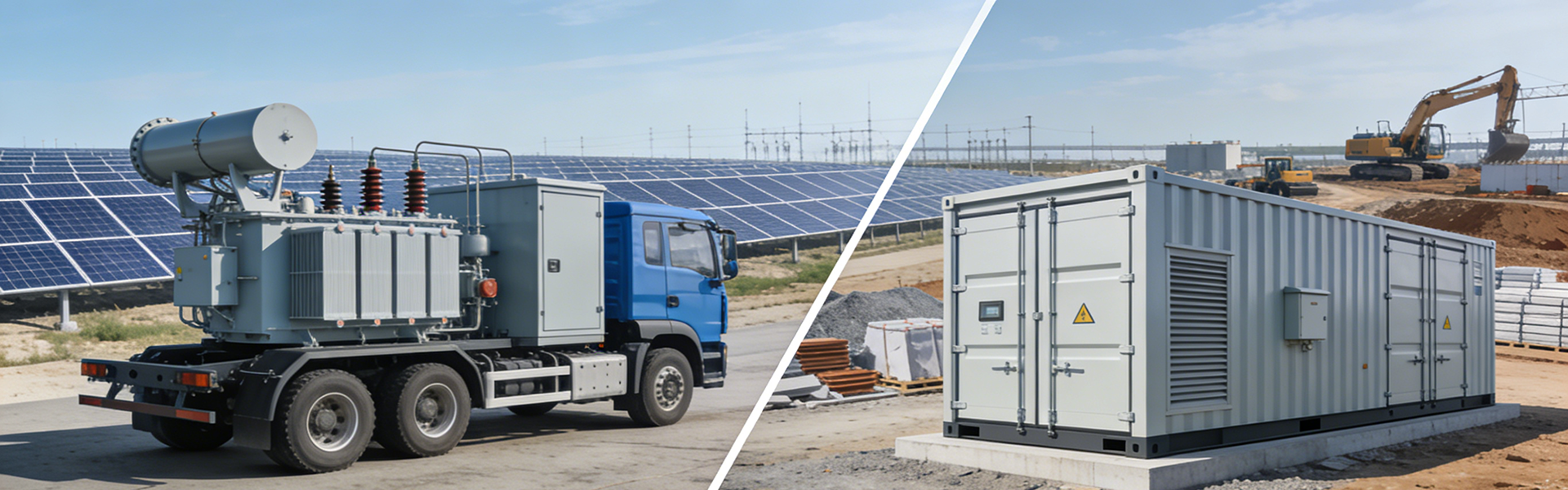
Ever wondered why more homeowners and businesses are skipping the middleman for solar energy solutions? Buying a PV energy storage integrated system directly from the manufacturer cuts out distributors, dealers, and retailers, putting you in the driver’s seat. You get pricing transparency—no hidden markups—and direct access to the engineers who designed the system. Think of it like ordering a custom-built computer from the brand itself: you know exactly what you’re paying for, and support comes straight from the source. For a typical 10 kW system, this can mean saving 15-25% upfront compared to retail channels.
Key Components and How the Integrated System Works
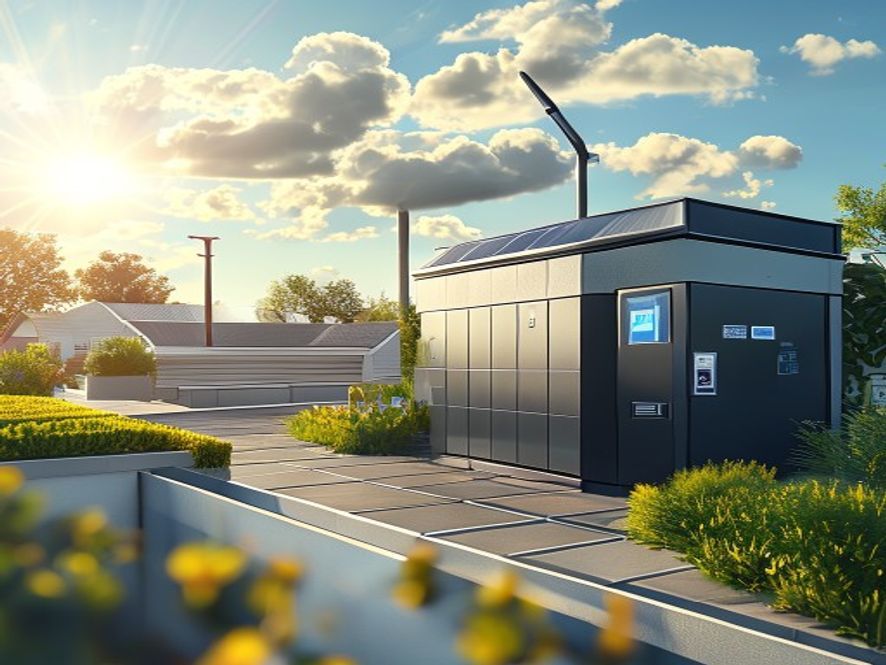
An integrated PV energy storage system combines solar panels, inverters, and batteries into one cohesive unit. The solar panels capture sunlight and convert it into DC electricity, which the inverter transforms into usable AC power for your home. Excess energy charges the battery, like a backup tank for later use—during cloudy days or at night. The system’s brain, often a hybrid inverter, manages the flow automatically, prioritizing solar power over grid electricity. For instance, in a 5 kW system with a 10 kWh battery, you could power a typical house for 8-10 hours after sunset. No complex wiring or separate controllers: it’s all pre-configured, reducing installation time by up to 40%.
Cost Savings and Efficiency Gains from Direct Purchase
Installation, Maintenance, and After-Sales Support
Is direct support a concern? Not with reputable manufacturers—they often provide certified installers or remote guidance. Most systems come with a 10-year product warranty and a 25-year performance guarantee on panels. Maintenance is straightforward: clean panels twice yearly and check battery health via a smartphone app. For example, a manufacturer like Tesla or LG offers 24/7 monitoring, alerting you to issues like inverter faults or low battery levels. If a component fails, direct replacement is typically within 48 hours, no third-party delays. This streamlined support reduces downtime and keeps your system humming year-round.
How to Select the Right System for Your Needs
Choosing the right system boils down to your energy consumption and roof space. Start by reviewing your monthly electricity bills to calculate daily usage—say, 30 kWh for a four-person household. Then, match it to a system’s capacity, like a 7 kW solar array paired with a 13.5 kWh battery. Consider your location: homes in cloudy climates need larger battery reserves, while sunny areas prioritize panel efficiency. Compare these factors using a simple table:
| System Size (kW) | Daily Output (kWh) | Battery Capacity (kWh) | Ideal For |
|---|---|---|---|
| 5 | 20 | 10 | Small homes, low usage |
| 7 | 28 | 13.5 | Average families |
| 10 | 40 | 20 | Large homes, high usage |
| 15 | 60 | 30 | Small businesses |
Finally, ask about scalability—can you add more batteries later? A direct manufacturer often offers modular designs, allowing you to expand as needs grow.