
Introduction to PV-Energy Storage Integration
The marriage of photovoltaic (PV) generation with energy storage systems (ESS) is no longer a luxury but a necessity for modern renewable projects. As solar power’s intermittency threatens grid stability, integrated systems provide a buffer, storing excess daytime energy for nighttime or cloudy periods. This energy enhances project efficiency by reducing curtailment, while offering a dispatchable power source that utilities crave. Critics argue that adding storage inflates upfront costs, yet the long-term gains in reliability and revenue far outweigh the initial hurdles.
Key Components and System Architecture
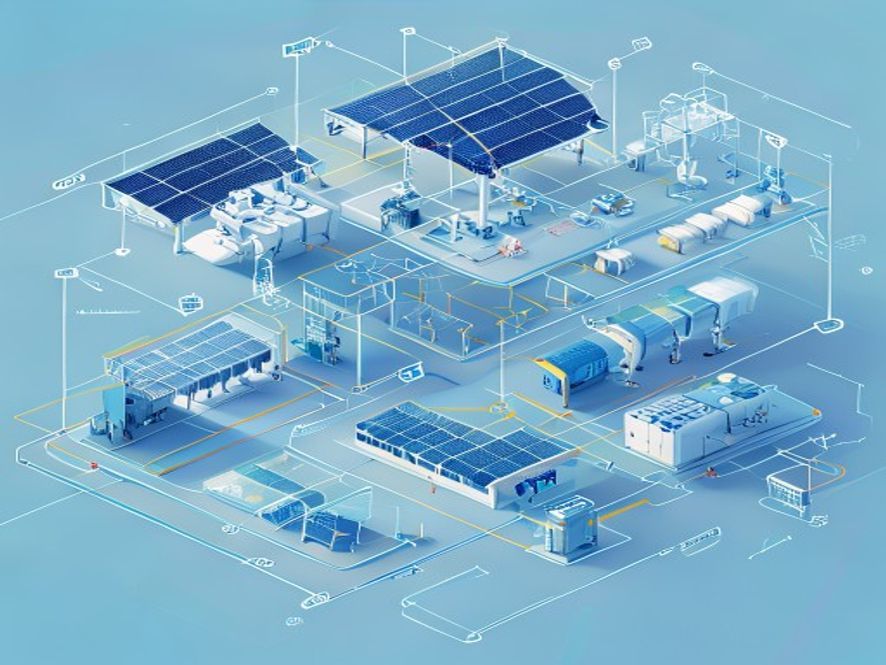
A typical integrated system hinges on three core elements: PV panels, inverters, and battery packs, often lithium-ion or emerging flow batteries. The architecture must balance DC coupling (where batteries connect before the inverter) with AC coupling (separate inverters for PV and storage). DC coupling boasts higher efficiency (up to 99%) for new installations, as it avoids multiple conversion losses. However, retrofitting existing solar farms often demands AC coupling’s flexibility, despite its 2–5% efficiency penalty. The table below contrasts these architectures:
Technical and Economic Benefits
Technically, integrated systems smooth power output, reducing ramp rates from 50% per minute for standalone PV to under 10% with storage. Economically, they unlock time-of-use arbitrage, charging batteries during low-price midday sun and discharging during peak evening rates. A 100 MW PV farm with 40 MWh storage can boost annual revenue by 15–25%, according to industry case studies. Moreover, storage defers costly grid upgrades by providing local frequency regulation—a service that earns additional capacity payments. Yet skeptics note that battery degradation limits these gains; modern lithium-ion cells, however, now offer 6,000-10,000 cycles, ensuring 15-year lifespans with proper thermal management.
Implementation Challenges and Solutions
Integration faces three primary barriers: high capital expenditure, regulatory fragmentation, and technical interoperability. The capital cost of batteries has plummeted from $1,200/kWh in 2010 to under $150/kWh today, but still represents 30–50% of total project cost. Solutions include leasing models or hybrid power purchase agreements (PPAs) that share risk between developers and off-takers. Regulatory hurdles, like net metering caps in some regions, demand advocacy for updated interconnection standards. Technically, mismatched voltage levels between PV and battery banks can cause inefficiencies; advanced power electronics with dynamic voltage control now mitigate this, achieving over 98% system uptime.
Future Trends and Market Outlook
The market is surging, with global PV-plus-storage installations projected to exceed 100 GW by 2028, up from 25 GW in 2023. Emerging trends include virtual power plants that aggregate distributed systems for grid services, and long-duration storage (e.g., iron-air batteries) for multi-day backup. Policy shifts, such as the U.S. Investment Tax Credit now covering standalone storage, will accelerate adoption. However, supply chain constraints for lithium and cobalt push innovation toward sodium-ion and solid-state alternatives. The bottom line: integrated PV-storage is not just a trend but a foundational shift, poised to dominate renewable project pipelines for the next decade.