
The Growing Need for Energy Storage in Mining and Utilities
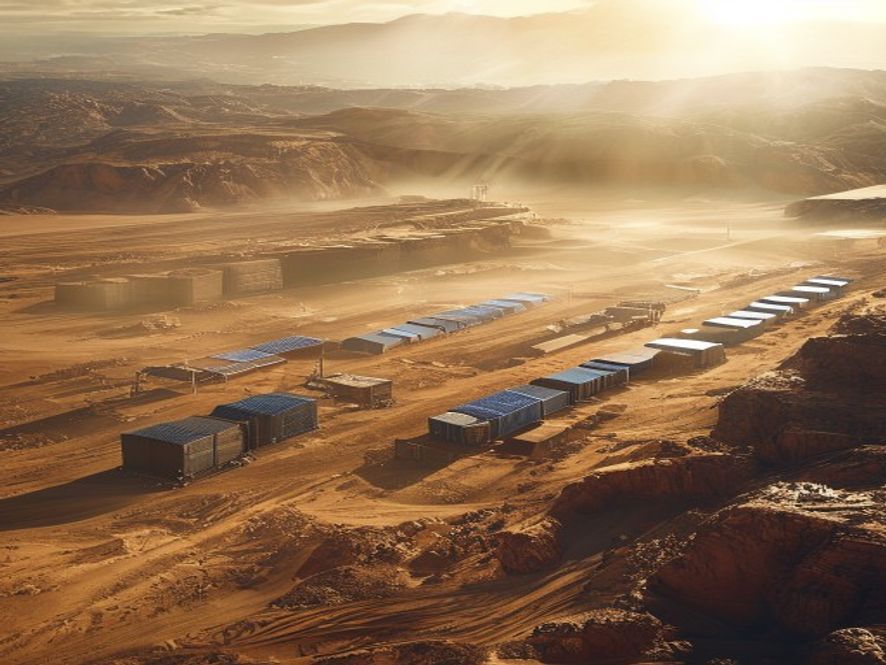
The mining and utility sectors face unprecedented pressure to decarbonize while maintaining operational continuity. Energy storage systems (ESS) have evolved from niche backup solutions to critical infrastructure assets. According to the International Energy Agency, global ESS deployment reached 28 GW in 2023, with mining and utilities accounting for 22% of total capacity. This surge is driven by volatile fuel costs, stricter emissions regulations, and the need to integrate intermittent renewable sources like solar and wind. In remote mining operations, diesel generators often run 24/7, consuming up to 40% of operational expenditure—a challenge that rapid deployment ESS can directly address by reducing fuel consumption by 30-50% through peak shaving and load shifting.
Key Technologies Behind Rapid Deployment Systems
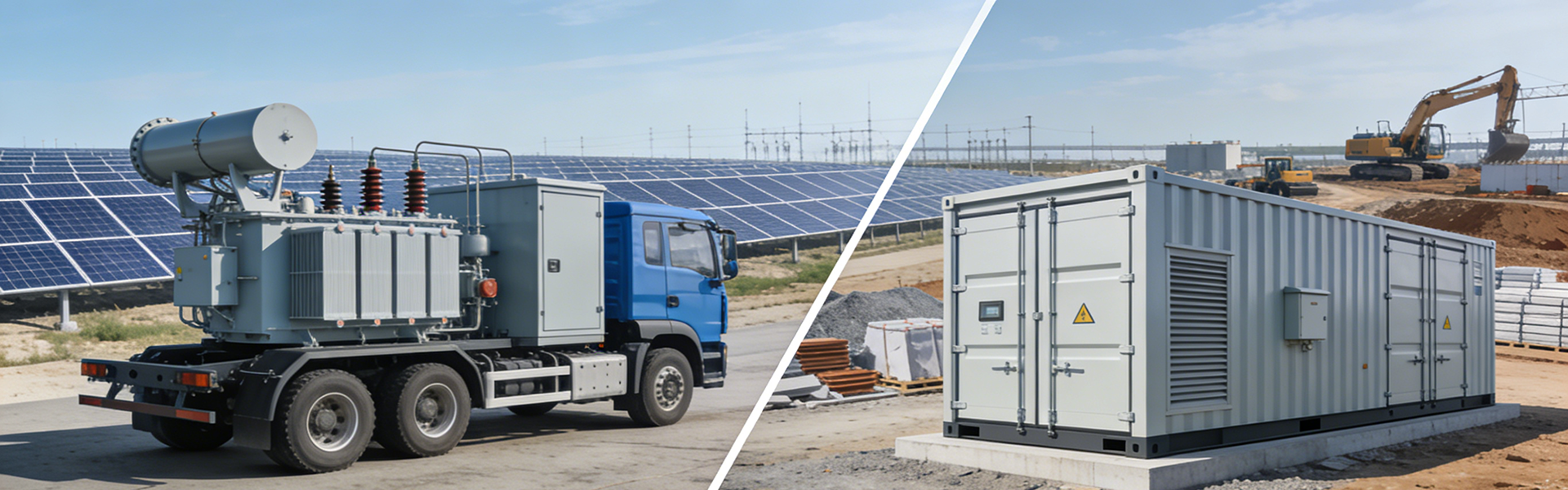
Modern rapid deployment ESS rely on modular lithium-ion batteries, typically in containerized formats of 20-40 feet. These systems achieve 90% round-trip efficiency and can be installed within 8-12 weeks, compared to 18-24 months for traditional power plants. Key innovations include advanced thermal management using liquid cooling, which extends battery lifespan to 15-20 years, and AI-driven energy management software that optimizes charging/discharging based on real-time load and price signals. For mining sites at altitudes above 4,000 meters, derating factors must be applied—systems lose 1% capacity per 100 meters above sea level, requiring customized enclosure designs. A typical 10 MW/40 MWh unit occupies 500 square meters and can power a medium-sized mine for 4 hours during peak demand.
| Parameter | Traditional Diesel Generator | Lithium-Ion ESS | Flow Battery (Vanadium) |
|---|---|---|---|
| Response Time (ms) | 500-1000 | 10-20 | 50-100 |
| Cycle Life (cycles) | 10,000 (with overhauls) | 6,000-8,000 | 15,000-20,000 |
| Levelized Cost per kWh | $0.25-0.40 | $0.12-0.20 | $0.15-0.25 |
| Deployment Time (weeks) | 12-16 | 8-12 | 16-20 |
| Temperature Range (°C) | -20 to 50 | -10 to 45 | 0 to 40 |
Operational Benefits: Cost Savings and Grid Stability
Case Studies: Successful Implementations in Remote Sites
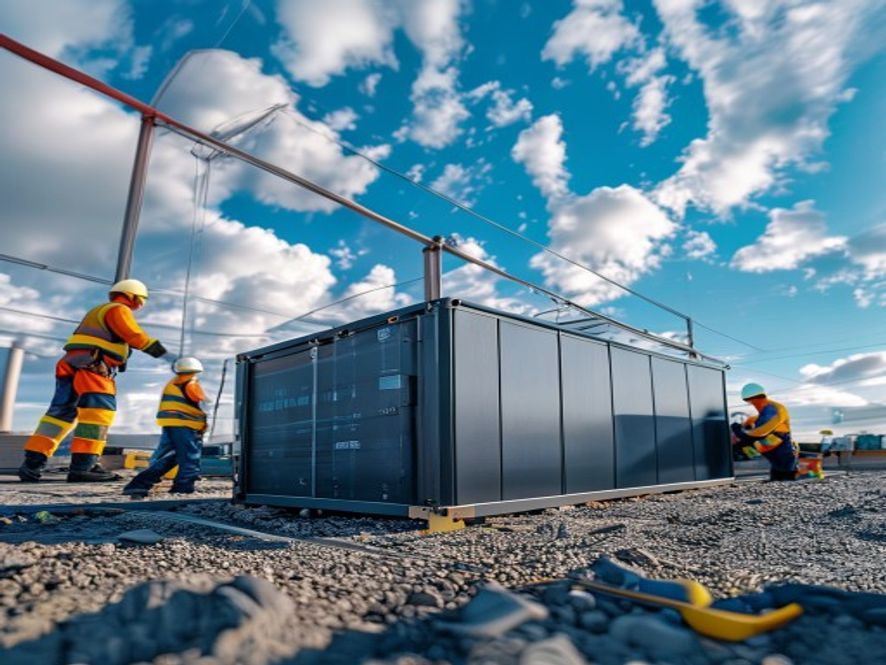
In Western Australia’s Goldfields region, a gold mine deployed a 12 MW/36 MWh ESS to replace 60% of its diesel generation. The system, built with Tesla Megapacks, achieved 99.5% availability over 18 months and reduced CO2 emissions by 18,000 tons annually. Levelized cost of storage dropped to $0.16/kWh, below diesel’s $0.28/kWh. In the utility sector, a Chilean electric cooperative deployed 40 MW/120 MWh ESS across three substations to stabilize a grid fed by 70% solar. The system reduced curtailment by 90% and cut transmission losses by 12%, enabling 95% renewable penetration during daytime hours.
Future Trends and Scalability for Industrial Applications
The ESS market for mining and utilities is projected to grow at 18.5% CAGR through 2030, reaching $45 billion. Key trends include sodium-ion batteries for low-cost, long-duration storage (4-8 hours) and hydrogen-compatible systems that enable seasonal storage. Scalability is improving: modular designs now allow incremental capacity additions from 5 MW to 200 MW without interrupting operations. The integration of AI for predictive maintenance is also reducing downtime by 25-30%. As mining companies target net-zero by 2050, rapid deployment ESS will become as ubiquitous as conveyor belts—essential for both operational efficiency and environmental compliance.