
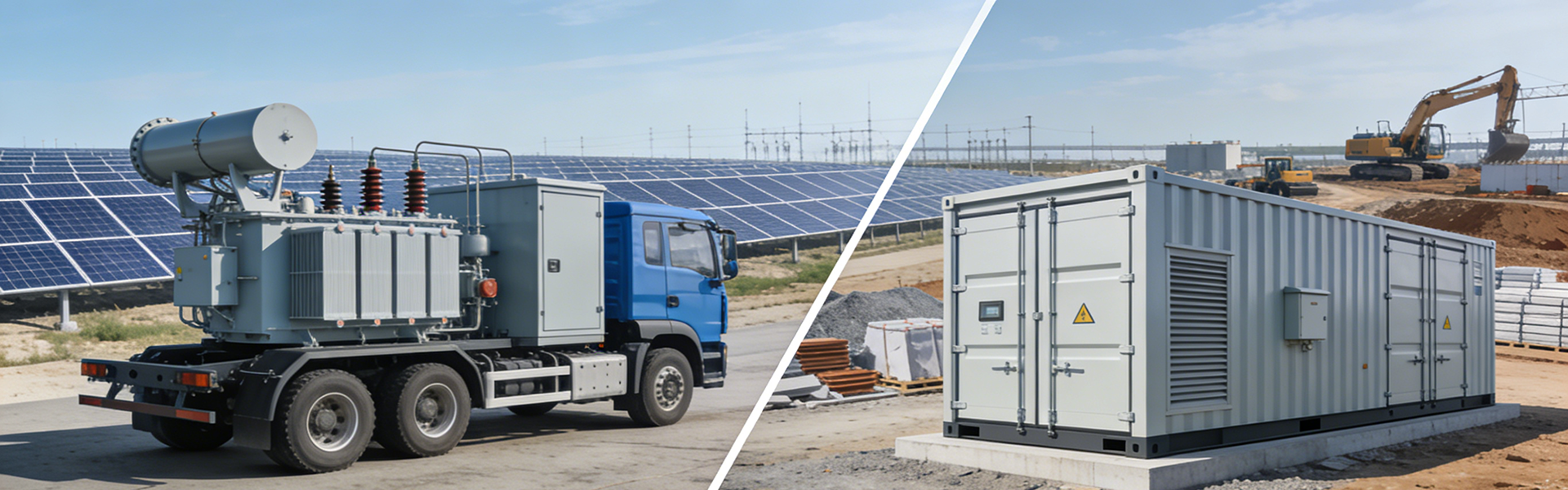

Introduction to Solar Storage for C&I Sectors
Commercial and industrial (C&I) sectors account for approximately 40% of global electricity consumption, yet their reliance on traditional grids exposes them to volatile energy prices and peak demand charges. Turnkey solar storage systems integrate photovoltaic panels with battery energy storage, enabling businesses to decouple energy generation from consumption. This configuration allows facilities to store excess solar power during low-demand periods and discharge it during peak hours, reducing grid dependence. For instance, manufacturing plants in California have reported up to 30% reductions in electricity costs by shifting 60% of their peak load to stored solar energy. The modular nature of these systems also supports scalability, from small warehouses to large industrial complexes.
Key Components of Turnkey Solar Storage Systems
A turnkey solution bundles hardware, software, and installation into a single contract, minimizing integration risks. Core components include high-efficiency solar panels (typically 22-24% efficiency), lithium-ion battery banks with 10-15 year lifespans, and advanced inverters that manage bidirectional energy flow. The system’s energy management software (EMS) uses machine learning to optimize charge/discharge cycles based on real-time pricing and weather forecasts. For example, a 500 kW solar array paired with a 1 MWh battery can store enough energy to power a medium-sized factory for four hours during blackouts. The table below compares typical configurations for different C&I segments:
| Facility Type | Solar Capacity (kW) | Battery Storage (kWh) | Payback Period (Years) |
|---|---|---|---|
| Retail Warehouse | 200 | 400 | 4-6 |
| Manufacturing Plant | 800 | 1,600 | 3-5 |
| Office Building | 300 | 600 | 5-7 |
Benefits and ROI of Commercial Solar Storage
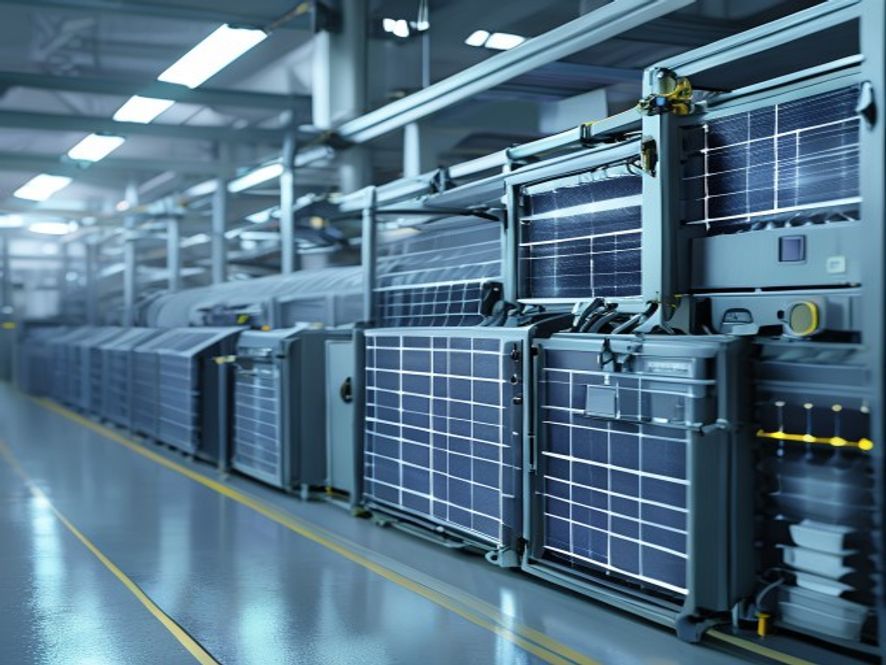
The primary financial driver is peak shaving, where stored energy replaces grid electricity during high-demand periods, slashing demand charges that often constitute 30-50% of a C&I bill. A study of 200 U.S. facilities found that solar storage systems delivered an average internal rate of return (IRR) of 12-18% over 10 years, with payback periods ranging from 3 to 7 years depending on local utility rates. Additionally, businesses can monetize battery capacity through grid services like frequency regulation, earning $50-$150 per megawatt-hour annually. For example, a Texas data center participating in an ancillary services market generated $80,000 in additional revenue in 2023. Moreover, federal tax credits covering 30% of system costs, combined with state-level incentives, can reduce upfront capital expenditure by up to 50%.
Implementation and Maintenance Best Practices
Successful deployment requires a site-specific feasibility study analyzing roof orientation, shading, and load profiles. Installers typically recommend south-facing arrays in the Northern Hemisphere to maximize yield, but east-west configurations can better match morning/evening demand patterns. Modular battery racks should be placed in climate-controlled enclosures to maintain optimal operating temperatures (15-25°C). Maintenance costs average 1-2% of initial investment annually, primarily for cleaning panels and software updates. Remote monitoring systems alert operators to performance anomalies, such as a 5% drop in battery efficiency, enabling proactive repairs. Industry data indicates that proper maintenance extends system lifespan by 3-5 years beyond the 25-year solar panel warranty.
Case Studies and Future Trends
A 2023 project at a logistics hub in Germany installed a 1.2 MW solar array with 2.4 MWh battery storage, achieving a 22% reduction in annual electricity costs and a 95% reduction in carbon emissions during peak hours. The system paid back in 4.2 years, aided by European Union subsidies covering 35% of costs. Future trends include vehicle-to-grid (V2G) integration, where commercial electric vehicle fleets serve as mobile storage units, and battery-as-a-service models that eliminate upfront costs. By 2027, analysts predict that 60% of new C&I solar installations will include storage, driven by plummeting battery prices (down 89% since 2010) and tightening emissions regulations.