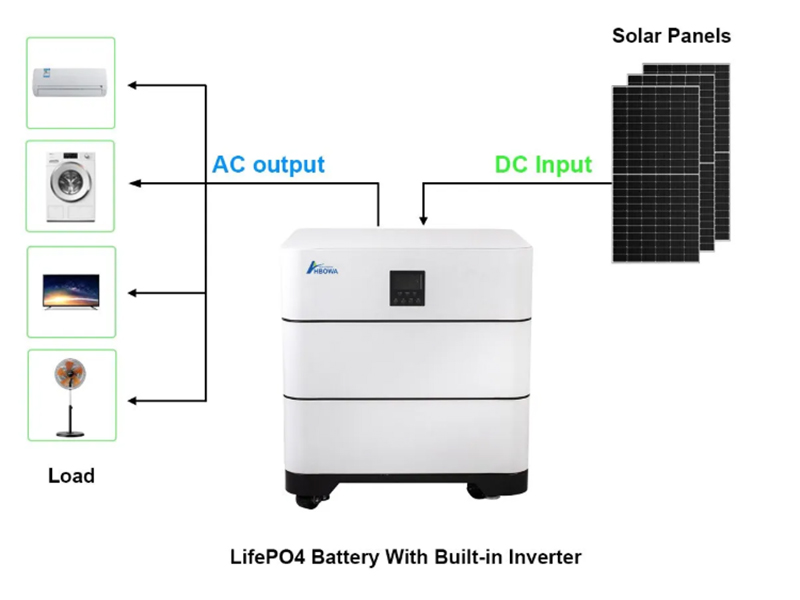
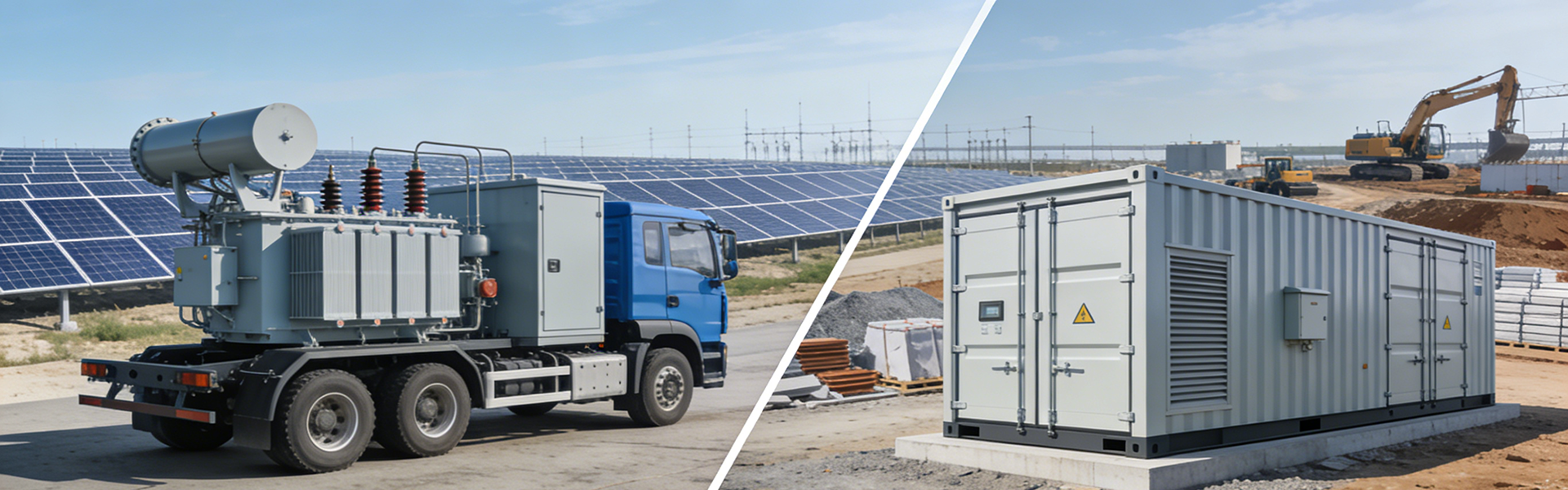
As is widely known, a home solar system not only saves you money and reduces your household's reliance on the public power grid, but it also holds the potential to significantly shrink your family's carbon footprint.
However, regardless of whether your home is connected to the public grid, without a solar battery storage system, your home solar setup cannot fully realize its true potential.
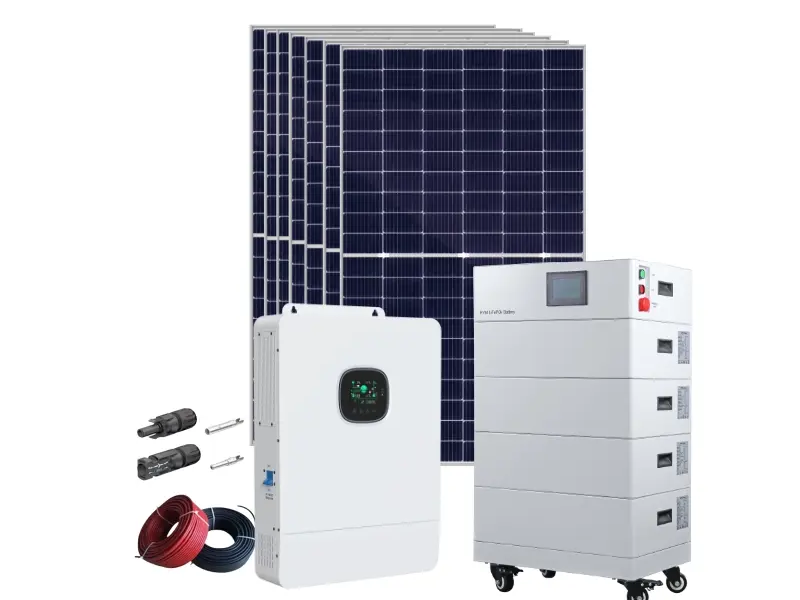
In fact, equipping your home with a solar battery storage system offers a range of distinct advantages. Here are some of the most prominent benefits:
Say Goodbye to Power Outages
Without a solar battery storage system to store surplus energy, you would still be forced to rely on the public grid for power during non-peak hours.
Typically, this wouldn't be an issue; however, two factors warrant caution: First, power outages are on the rise in certain regions of the country; and second, electricity prices have simultaneously experienced a sharp surge.
First, having a backup solar battery storage system protects you from sudden power outages during non-peak hours—precisely the times when you would otherwise be dependent on the grid. Second, directly utilizing the electricity generated by your own solar system is often more cost-effective, thereby saving you money.
Power Supply During Non-Peak Hours
Even if you have no concerns regarding electricity costs or outages caused by grid inefficiencies, installing a solar battery storage system still allows you to utilize the electricity generated by your own solar panels during non-peak hours.
Strictly speaking, this advantage applies primarily to users who are not connected to the public grid. Consequently, for households operating completely independently of the grid—known as "off-grid" living—a solar battery storage system is less of a "nice-to-have" luxury and more of an absolute necessity.
Break Free from Grid Dependence
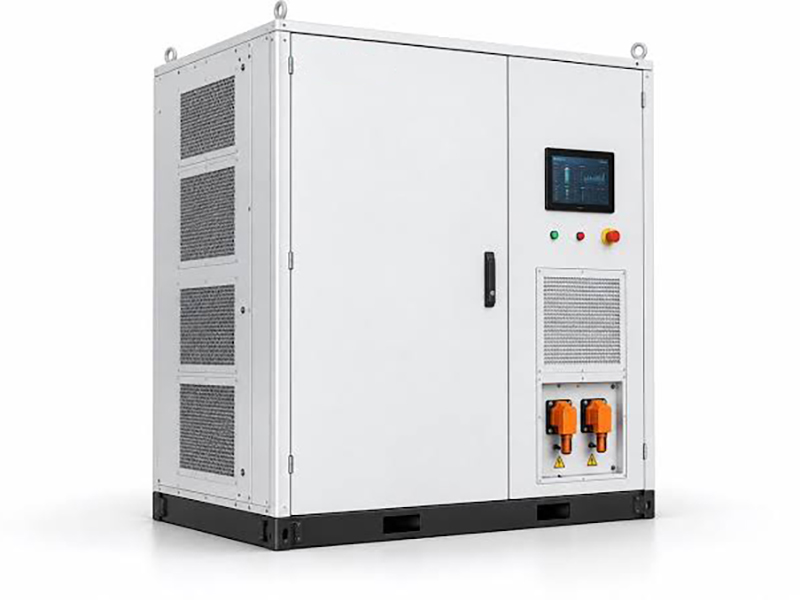
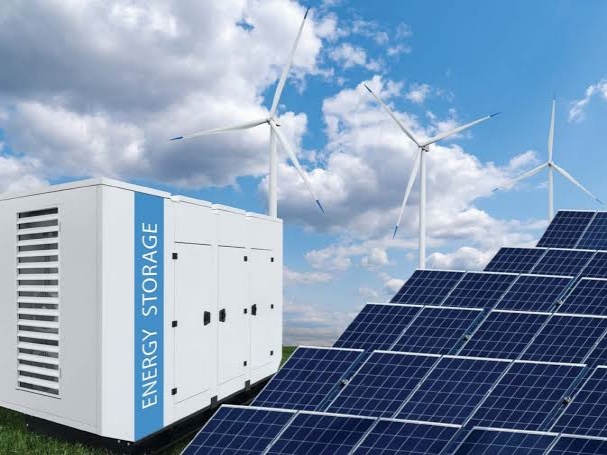
If your goal is to completely eliminate your reliance on the public power grid—even if you do not physically disconnect from it—the only viable path is to adopt sustainable power generation methods and install a Battery Energy Storage System (BESS). Solar power systems are not the only means of achieving this goal; some households employ a combination of methods—such as solar, wind, thermoelectric generation, and wood gasification—to attain complete independence from the electrical grid. However, regardless of the approach taken, you must install an off-grid battery system to store any surplus electricity generated.
Maximizing Every Kilowatt-Hour Produced by Your Home Solar Panels
Ultimately, whether or not your home is connected to the public utility grid, installing a solar battery bank is the only way to ensure that you fully utilize all the surplus electricity generated by your solar power system.
If you have completely disconnected from the grid to operate autonomously, you will have a critical need for this battery bank to store the excess electricity generated during periods of low demand (which typically coincide with peak generation times); otherwise, this valuable energy would be entirely wasted.
Conversely, if you remain connected to the public grid and your daytime electricity generation exceeds your household's actual consumption needs, this surplus energy is typically fed back into the utility grid. While you might hope that your electricity provider will offer corresponding bill credits or rebates for this contribution, such benefits are often not guaranteed.
Therefore, if you wish to extract the maximum economic value and utility from your home solar system, the only solution is to install a backup battery system capable of effectively capturing and storing the electricity generated by your solar panels.