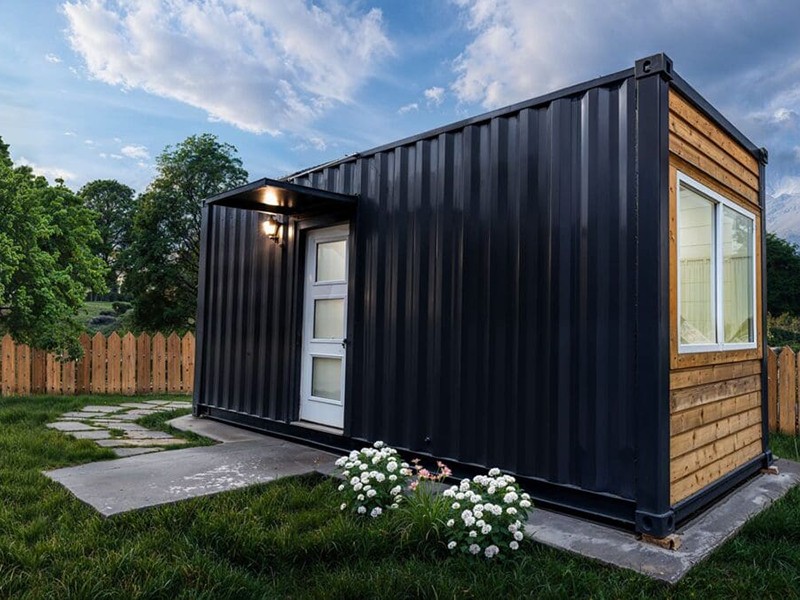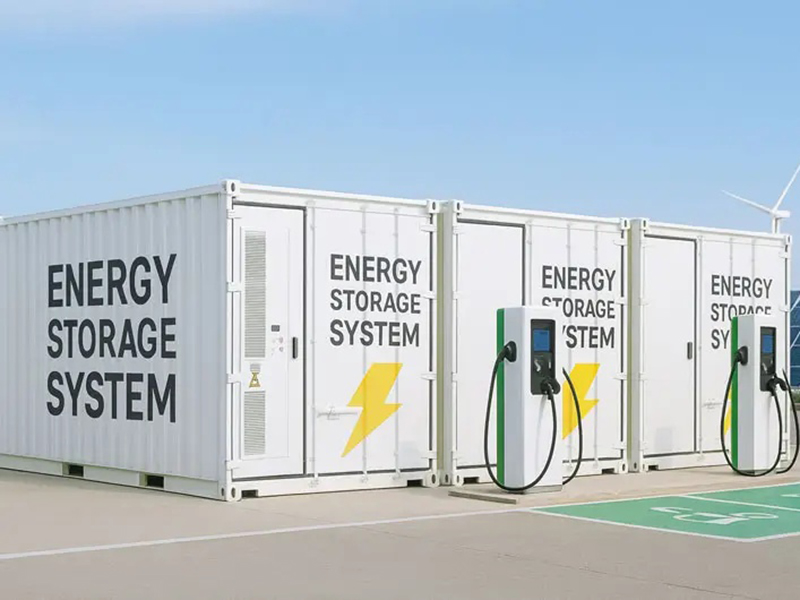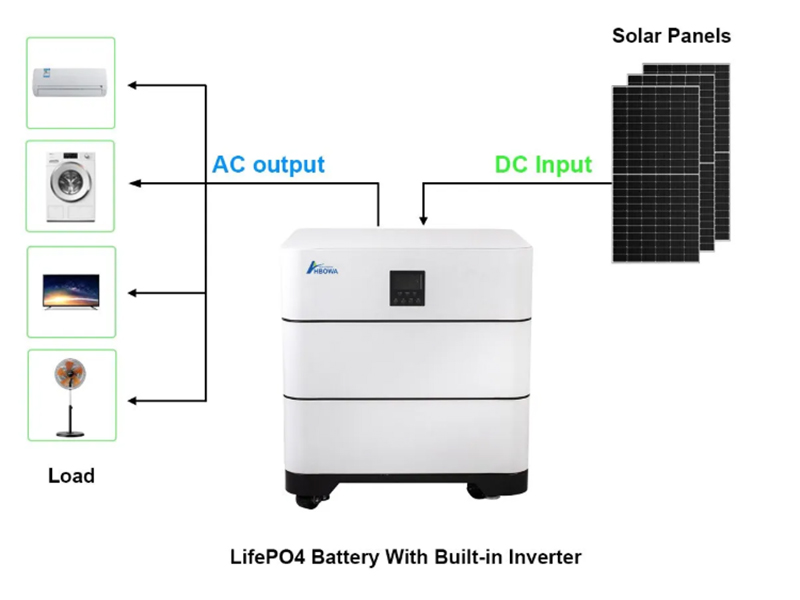
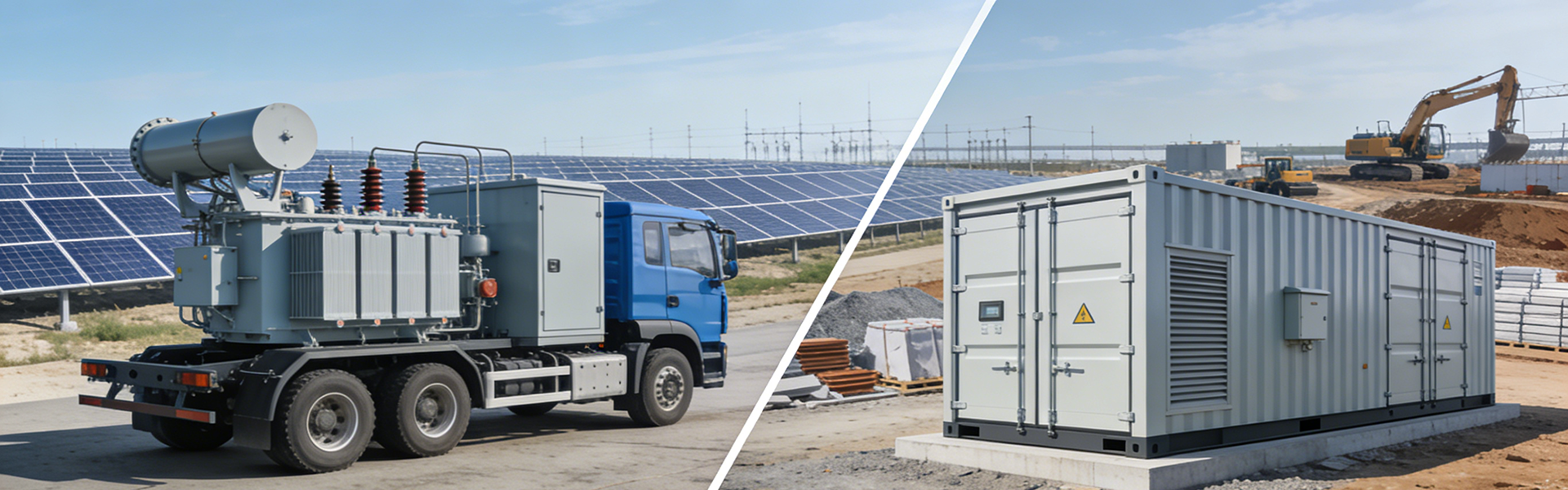
Imagine receiving your monthly electricity bill only to find a staggering charge of $300 staring back at you. However, if you owned one of these "off-grid" container homes, you could bid farewell to monthly utility expenses forever. Rather than spending a lifetime paying fees to utility companies, owners of these homes opt for a one-time upfront investment, thereby purchasing their own complete independence.
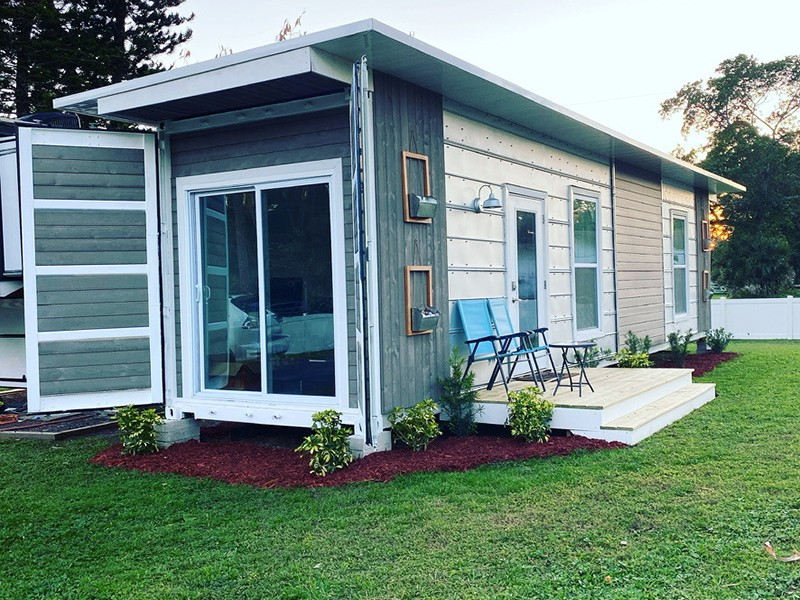
How Repurposed Steel Is Tougher & Quicker Than Average Wooden Framing
Wood-frame construction has long stood as a traditional standard in the building industry; however, it can sometimes prove vulnerable when confronted with severe weather conditions, such as storms. In contrast, container homes allow you to capitalize on the inherent strength of a structure originally engineered to successfully transport cargo across the Atlantic Ocean. The load-bearing capacity of these containers far exceeds that of traditional wooden 2x4 studs; consequently, these structures are capable of withstanding powerful winds—reaching speeds of up to 100 miles per hour—without bending or warping.
Expanding your living space using these container units is a remarkably simple undertaking, as their intermodal design establishes them as globally standardized steel components that can be assembled with the ease of LEGO bricks. As a result, you can seamlessly add a second story directly atop the existing structure, precisely wherever it is needed.
Why Using Containers Will Help You Save 30% on Materials But You Will Have to Work Hard
A look at the facts makes it easy to understand why steel-frame homes hold such immense economic appeal. If you compare the cost per square foot of a container home against that of a traditional house, you will find that container homes cost approximately $100 per square foot, whereas traditional wood-frame homes can run as high as $150—or even more. This cost savings—amounting to as much as 30%—is entirely attributable to the fact that the walls, floors, and roof structures are purchased as a highly economical, prefabricated kit.
To maximize the financial benefits of this undertaking, you must exercise extreme care when selecting your building materials. Although some buyers are keen to use second-hand containers in an effort to minimize expenses, a far wiser choice is to opt for so-called "one-trip" containers. These containers have been used for a single transatlantic voyage; consequently, they remain in nearly pristine condition and are free from the deep-seated structural corrosion issues that would otherwise necessitate extensive—and costly—welding repairs down the road.
When planning your construction budget, there is one additional detail that warrants particular attention: the logistics involved in such a project. The so-called "Crane Day" should be viewed as a significant, one-time expense—primarily covering the rental of specialized equipment required to precisely hoist the main structure of the home onto its foundation. Fortunately, however, as these innovative housing types gain increasing popularity, securing financing for non-traditional housing projects has become easier than ever before.
Once all the aforementioned construction phases have been completed, you will still need to take appropriate measures to insulate the structure against extreme external temperature fluctuations.