Power shortages, rising electricity costs, and the pursuit of energy independence are prompting an increasing number of people to consider adopting solar energy. However, not all solar systems are created equal. Should you connect to the grid, go completely off-grid, or opt for a solution that combines both?
Let’s take a closer look at the three primary options—grid-tied, off-grid, and hybrid systems—to help you identify the ideal solution for your home, business, or project.
On-Grid Solar Power Systems
An on-grid system connects directly to your local utility grid. It not only supplies electricity to your home or business but also feeds any excess power back into the grid—often earning you corresponding credits on your electricity bill through a "net metering" mechanism.
Best Suited For: Homes and businesses located in areas with a stable and reliable power supply.
Pros:
Lower upfront investment costs (no need for battery storage)
Eligible for net metering policies, helping to reduce electricity expenses
Simple and straightforward installation and maintenance processes
Cons:
Cannot provide backup power during outages (unless additional auxiliary equipment is installed)
Subject to regulations and pricing policies set by the local utility company
If your primary goal is to save money while remaining connected to the utility grid, an on-grid system is your simplest and most cost-effective choice.
Off-Grid Solar Systems
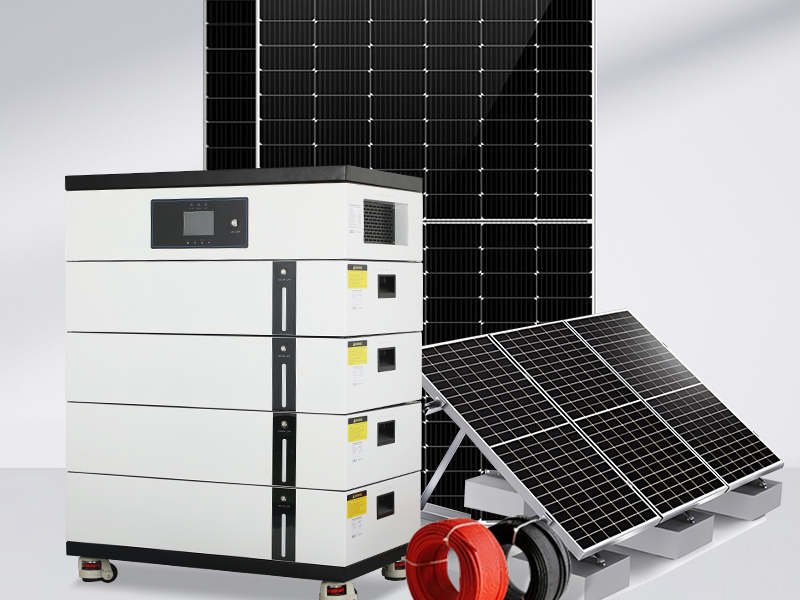
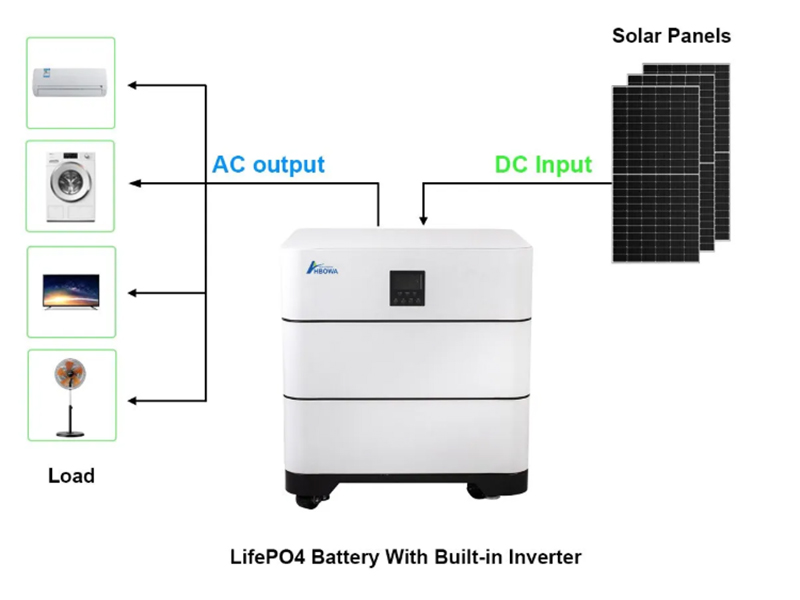
An off-grid system is completely self-contained. It generates and stores all the energy you require—typically utilizing a battery bank—to meet your needs.
Best Suited For: Remote locations without access to the utility grid, or anyone seeking complete energy independence.
Pros:
Achieves total energy independence
Provides reliable power in areas beyond the reach of the utility grid
Eliminates utility bills and insulates you from fluctuating electricity rates
Cons:
Higher upfront investment costs (due to the inclusion of batteries and additional equipment)
Requires precise system sizing and sophisticated energy management
Necessitates ongoing battery maintenance and eventual replacement
If you reside in a remote area—or simply wish to break free entirely from your reliance on the public utility grid—an off-grid system grants you absolute control over your energy supply, albeit at a higher cost.
Hybrid Solar Systems
Hybrid systems combine the advantages of the two approaches mentioned above. These systems are connected to the utility grid while also being equipped with battery storage capabilities. You can draw power from the grid, utilize stored energy during power outages, or sell surplus electricity back to the grid when electricity rates are high.
Ideal for: Regions experiencing frequent intermittent power outages, or users who wish to save on costs while also ensuring the security of a backup power supply.
Pros:
Provides backup power during outages
Offers flexible energy usage (allowing for storage, self-consumption, or selling back to the grid)
Potential for cost savings by avoiding high electricity rates during peak demand periods
Cons:
Higher upfront investment compared to purely grid-tied systems
More complex installation and equipment configuration
For users seeking a balance between flexibility and cost savings—while also desiring the peace of mind provided by a backup power supply—hybrid systems often represent the ideal choice.
How to Choose
Go Grid-Tie (On-Grid) if your priority is affordability and lowering monthly bills.
Go Off-Grid if independence and reliability in remote areas matter most.
Go Hybrid if you want the security of backup power with the savings of grid connection.