
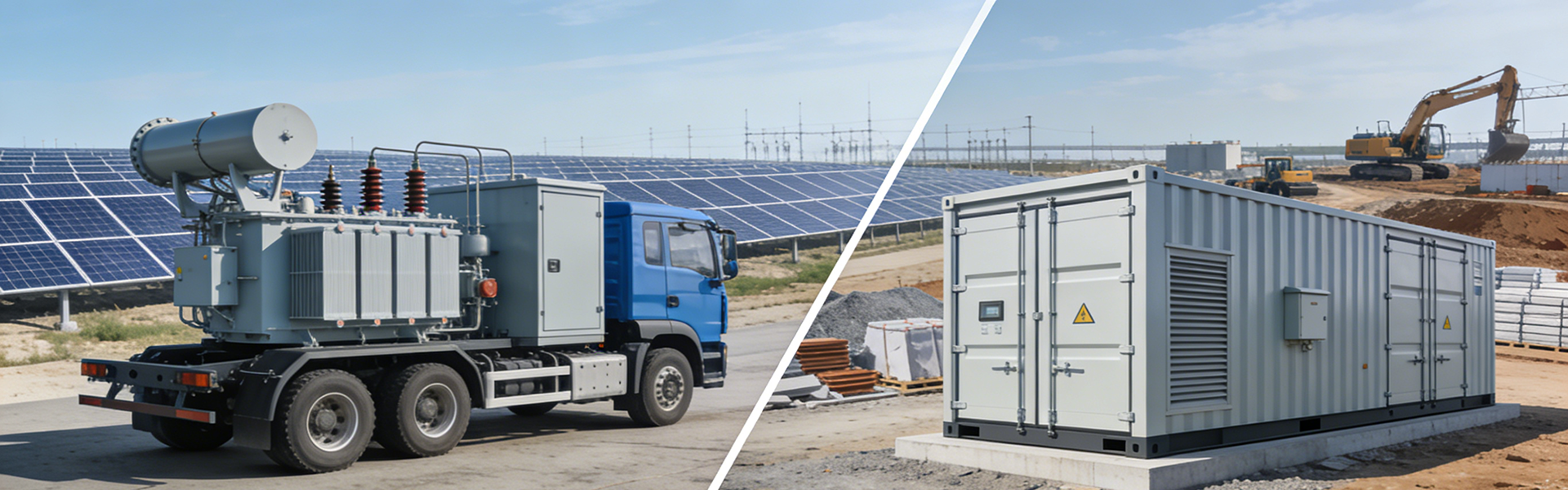
Introduction to Mobile Substations and Their Global Demand
Mobile substations are no longer a niche product—they are the emergency response backbone of modern power grids. When hurricanes knock out coastal infrastructure or wildfires rage through transmission corridors, utilities need rapid deployment solutions, not permanent rebuilds that take years. The global market for these compact, trailer-mounted power units has surged as aging grids in North America and Europe face extreme weather events with increasing frequency.
China manufacturers now produce over 60% of the world's mobile substation components, and their turnkey solutions are challenging incumbents on price, delivery speed, and—increasingly—technical sophistication.
China's Leading Mobile Substation Manufacturers and Their Capabilities

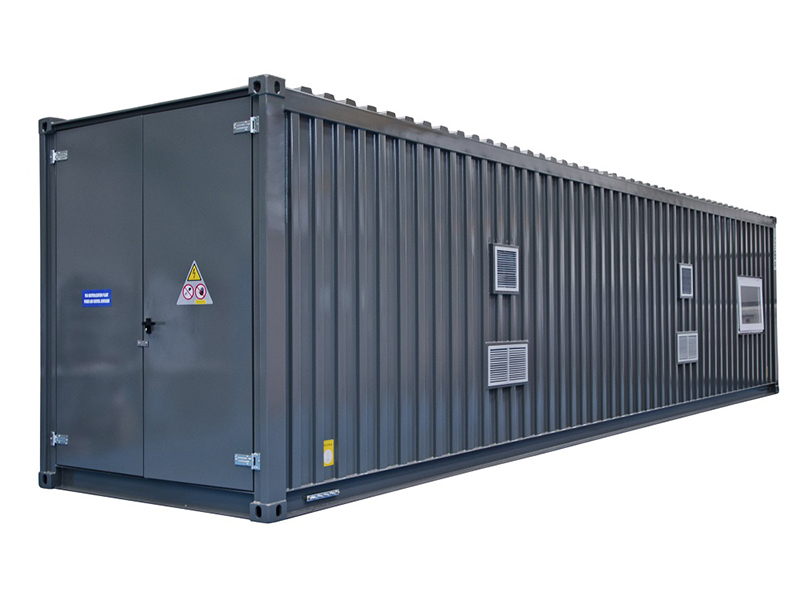
Take TBEA's approach: we don't just assemble trailers; our engineer complete micro-grids on wheels. our 110kV mobile unit integrates GIS switchgear, protection relays, and even remote diagnostic systems in a single 40-foot container. Moreover,we counter with aggressive customization—offering 12-week lead times versus the industry-standard 20 weeks, and accepting bespoke requests like tropicalized insulation or arctic-grade heating systems that legacy European firms dismiss as uneconomical.
Technological Innovations and Customization Options in Chinese Manufacturing
The innovation gap between China and Western mobile substations is closing faster than industry analysts predicted. China factories now deploy fiber-optic temperature monitoring within transformer windings—technology that was proprietary to European manufacturers until 2021. More importantly, China engineers have leapfrogged in modular design. A client can order a 20-foot ISO container unit with plug-and-play interface ports that allow capacity upgrades without returning the entire system to factory.Customization extends beyond voltage ratings. Leading China manufacturers offer three tiers of mobility: skid-mounted (for permanent semi-mobile sites), road-towable (for rapid disaster response), and rail-compatible (for cross-country emergency deployment).
Quality Standards, Certifications, and Export Compliance
The historical objection to Chinese electrical equipment—questionable reliability—has been systematically dismantled through certification rigor. Top-tier manufacturers now hold IEC 60076 for transformers, GB/T 17467 for prefabricated substations, and CE marking for EU exports. More tellingly, several have obtained KEMA certification for high-voltage breakers, a benchmark previously considered a European monopoly.
Export compliance has become a competitive weapon. Chinese manufacturers maintain in-house test labs that simulate salt-spray corrosion, seismic vibration, and extreme temperature cycling before shipment. They also navigate export documentation more efficiently than Western counterparts—a critical advantage when emergency relief projects require expedited customs clearance. However, buyers must still perform due diligence: the certification landscape is uneven, and second-tier suppliers may offer compelling prices but lack the testing infrastructure for rigorous export documentation.
Choosing the Right Chinese Manufacturer: Key Considerations and Trends
Selecting a Chinese mobile substation manufacturer demands strategic patience. Price negotiations are secondary to verification of test facilities and reference installations. Insist on video-conference visits to the live production line, not just showroom tours. Request failure-rate data from installed units operating in climates similar to your deployment zone—Chinese manufacturers track this rigorously but rarely volunteer it unprompted.
The emerging trend favors hybrid partnership models. Several Chinese firms now offer localized service hubs in Dubai, Nairobi, and Panama City, providing warranty support and spare parts without cross-continental shipping delays. Others have established joint ventures with regional integrators, allowing buyers to combine Chinese manufacturing economics with local engineering oversight.