
Introduction to Container Farming and Its Commercial Potential
The hum of climate-controlled air mingles with the soft rustle of leafy greens, yet the ground beneath your feet is not soil—it is a reinforced steel floor. This is the reality of a solar-powered container farm, a high-tech agricultural unit that transforms a standard 40-foot shipping box into a self-sustaining ecosystem. For commercial operators, these units represent a paradigm shift, moving food production from sprawling, weather-dependent fields into precise, vertical racks illuminated by LED spectrums.
Solar Energy Integration: Powering Farms Sustainably
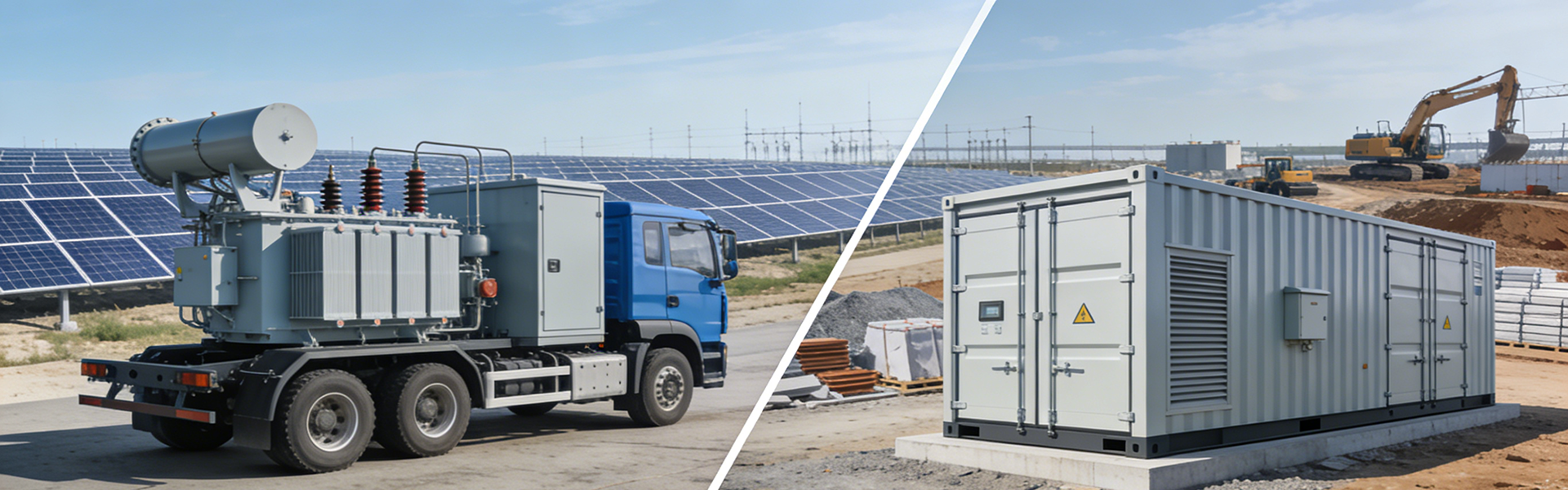
At the heart of this agricultural revolution is the symbiotic relationship between the container and the sun. Photovoltaic panels, often mounted on a ground-mounted array adjacent to the unit or on an elevated canopy, capture solar energy to power the farm’s life support systems.By decoupling from the traditional power grid, operators insulate themselves from fluctuating energy prices and grid instability. A typical system pairs a 20-30 kW solar array with a battery storage solution, allowing the farm to operate continuously through the night or during overcast days. This energy autonomy is the critical enabler that allows these farms to be deployed in remote locations—from desert resorts to Arctic research stations.

Future Trends and Scaling Opportunities in Solar Container Farming
Looking forward, the trajectory of this industry points toward decentralization and intelligent networking. The future is not merely a single container, but a "farm-as-a-service" hub, where multiple units are clustered in micro-grids, sharing energy and data via cloud-based platforms. We are likely to see the integration of AI-driven crop steering, where algorithms adjust light and nutrient recipes in real-time to optimize flavor profiles or nutritional density—a level of customization impossible in conventional agriculture. As the cost of solar storage continues to plummet and the demand for hyper-local, pesticide-free food grows, the Solar-Powered Container Farming is poised to transition from a niche innovation to a cornerstone of resilient, commercial food infrastructure.