
Imagine waking up and knowing that every single light you turn on, every device you charge, and every meal you cook comes from the sun hitting your own roof. That’s the quiet promise of an off-grid solar system. But here’s the honest question: is it really “complete” independence, or just a fancy way to camp out at home?

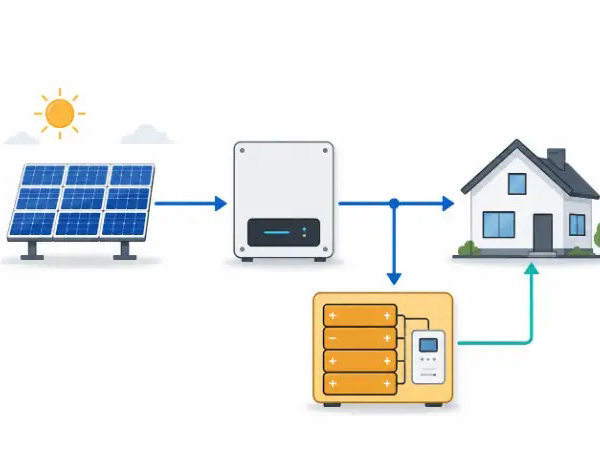
Let’s strip away the hype. An off-grid system is essentially a mini power plant you own entirely. No utility poles, no monthly bills, no blackouts from a storm miles away. Instead, your solar panels capture sunlight, store it in batteries, and your home draws from that stored energy whenever needed. Sounds simple, right? The magic (and the headache) lives in the details.
1. Understanding Off-Grid Solar: How It Works and Why It Matters
Think of it like a bank account for electricity. During sunny hours, your panels make deposits into your battery “savings.” At night or on cloudy days, you withdraw. The catch? You can’t overspend what you’ve saved. If you run the AC all night during a rainy week, you’ll wake up to a dead system—no backup from the grid.
Why does this matter? Because true independence means changing your mindset from “power on demand” to “power on budget.” It’s not about having unlimited energy; it’s about having reliable, self-managed energy. For remote cabins, tiny homes, or anyone tired of utility rate hikes, that trade-off feels liberating. But let’s be real—it also requires daily awareness that most people never think about.
2. Key Components: The Four Pillars of Your System
You can’t just slap a panel on the roof and call it done. Every off-grid setup relies on four critical pieces working in harmony:
Solar panels capture sunlight and turn it into DC electricity.
Charge controllers regulate that flow, preventing battery damage from overcharging.
Batteries store the energy—lithium-ion for efficiency, lead-acid for budget.
Inverters convert DC into the AC power your appliances actually use.
Here’s where people often stumble: they buy the biggest panels and cheapest batteries, then wonder why the system fails. In reality, the battery bank is the heart, and the inverter is the brain. A 10kW panel array means nothing if your battery can only hold 5kWh or your inverter can’t handle surge loads from a fridge starting up.
3. Sizing Your System: Don’t Guess, Calculate
This is where most DIY enthusiasm dies. The process isn’t sexy, but it’s essential. First, list every appliance and its wattage. Multiply by hours used per day—that’s your daily consumption. Then factor in inefficiency (usually 20-30% loss) and days of autonomy (how many cloudy days you want to survive without sun).
Let me give you a rough example. A typical small home uses around 10-15 kWh daily. To cover that with 3 days of backup, you’d need roughly a 10kW solar array and 30-45 kWh of usable battery storage. That’s not cheap—but it’s predictable. The golden rule: size for your worst week, not your best day.
| Component | Small Cabin (5 kWh/day) | Average Home (12 kWh/day) | Large Home (25 kWh/day) |
|---|---|---|---|
| Solar Panels | 2.5-3 kW | 6-8 kW | 12-15 kW |
| Battery Bank | 10-15 kWh | 30-40 kWh | 60-80 kWh |
| Inverter Size | 3-4 kW | 6-8 kW | 10-15 kW |
| Charge Controller | 60A | 100A | 200A+ |
4. Installation and Maintenance: The Real Work Begins
Installing off-grid is not a weekend project. You’re dealing with high-voltage DC, heavy batteries, and code requirements. Unless you’re genuinely handy, hire a pro for the electrical wiring—mistakes here can literally burn your house down. Once installed, maintenance is surprisingly low: wipe panels, check battery fluid (if lead-acid), and monitor system health via an app or display.
Here’s the practical reality: batteries degrade over time, losing capacity after 5-10 years depending on chemistry. Lithium lasts longer but costs more upfront. And yes, you’ll become oddly obsessed with weather forecasts—a cloudy week suddenly feels personal.
5. Costs, Incentives, and ROI: The Math That Matters
Let’s talk money. A complete off-grid system for an average home runs $20,000-$40,000 installed, with batteries often eating half that budget. Federal tax credits (currently 30% in the US) help, but the real payoff is long-term. If your current utility bill is $200/month, you’re looking at a 10-15 year payback—assuming energy prices keep rising, which they usually do.