
The hum of the refrigerator was the last sound to fade as the grid connection was severed. In the sudden silence, the only reassurance was the soft, green glow of an inverter display—a small beacon confirming that life, in all its modern complexity, would continue. This is the quiet promise of an off-grid PV system: not just a backup plan, but a declaration of independence from the invisible infrastructure that powers our daily existence.
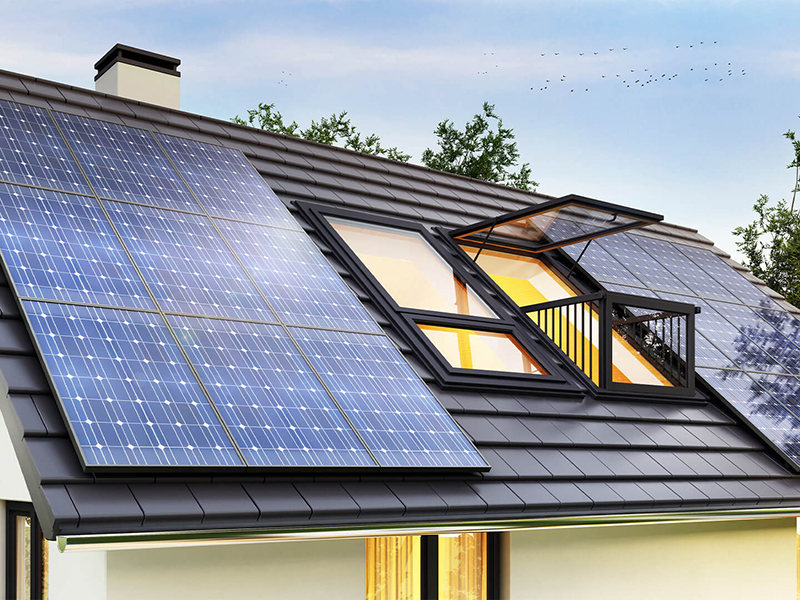
Choosing to sever that cord is less about escapism and more about embracing a profound sense of control. For homeowners in remote areas, the cost of extending utility lines can be astronomical, making solar not just an alternative but the only logical choice. Beyond the financial argument, there is the undeniable appeal of resilience. When storms knock out power for entire neighborhoods, your lights remain steady. This autonomy is a palpable feeling; it’s the satisfaction of knowing that the energy powering your morning coffee was generated by the sun that rose over your own roofline.
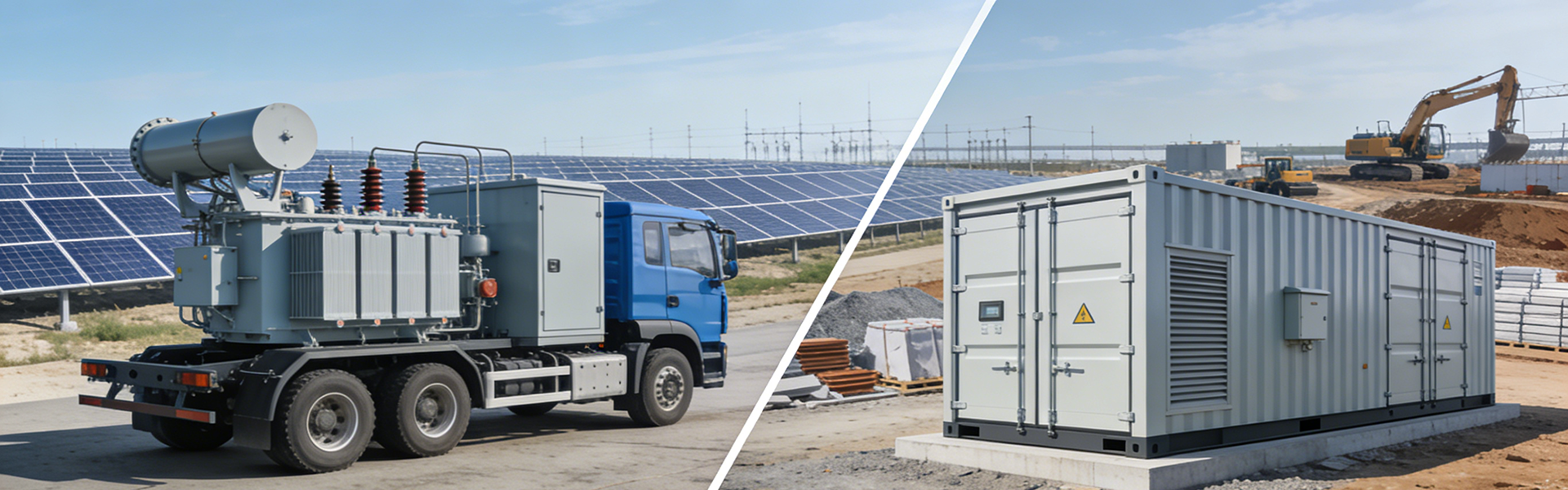
At the heart of this energy independence lies a carefully orchestrated assembly of components, each playing a critical role. The solar panels themselves are the visible workhorses, converting sunlight into direct current (DC) electricity. This raw power then travels to a charge controller, which acts as a vigilant gatekeeper, regulating voltage to prevent the battery bank from overcharging—the system's energy reservoir for nighttime and cloudy days. Finally, an inverter performs the crucial alchemy of transforming stored DC power into the alternating current (AC) that your household appliances demand. The seamless interplay between these parts is the difference between a chaotic jumble of wires and a symphony of self-sufficiency.
Sizing Your System: Energy Needs and Solar Potential
Before a single panel is mounted, a meticulous audit of your consumption is essential. This is not the time for guesswork. You must calculate the daily watt-hours of every device, from the energy-draining water heater to the modest LED bulb. Your geographic location and seasonal weather patterns are equally vital data points, determining the "peak sun hours" your panels will receive. A system that thrives in Arizona will fall short in the Pacific Northwest without significant adjustment. To illustrate the variance in power output, consider the following example of a typical off-grid setup:
This table reveals the delicate balance between generation and consumption. Over-sizing your array leads to wasted potential, while under-sizing results in frequent generator use—a compromise most off-grid purists wish to avoid.
Installation, Maintenance, and Safety Considerations
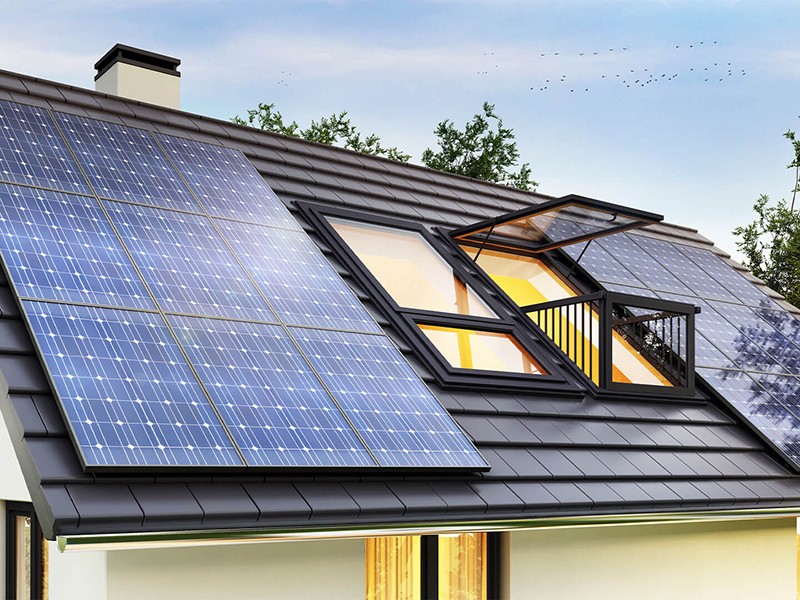
The physical installation is a test of precision and patience. Panels must be angled to capture maximum seasonal sun, and cable routing must be clean and protected from the elements. While a DIY approach is tempting, the dangers of high-voltage DC electricity and battery acids are real. Hiring a certified installer is often a non-negotiable for safety and warranty validation. Once operational, the system demands far less attention than a gas-powered generator. Maintenance is largely reduced to cleaning dust and debris from the panels and checking the electrolyte levels in flooded lead-acid batteries, a simple task that ensures decades of reliable service.
Cost, Incentives, and Long-Term Benefits
The initial price tag of a complete off-grid system can be daunting, often ranging from $15,000 to $45,000. However, this figure must be weighed against the escalating cost of grid electricity and the potential for government tax credits and rebates. While the payback period can be lengthy, the long-term benefits extend beyond pure economics. There is the unquantifiable value of predictable energy costs and the satisfaction of shrinking your carbon footprint to zero. You are no longer a consumer of power; you are your own utility, a steward of your own resources, and the quiet hum of your inverter is the sound of true freedom.