
Why Choose OEM Manufacturer Direct for Solar Battery Backup
Most buyers make a costly mistake: they purchase solar battery systems through middlemen—retailers, distributors, or installers who tack on 30–50% margins. Going OEM manufacturer direct eliminates these layers, handing you factory pricing and direct technical support. You are not paying for brand marketing; you are paying for the actual hardware, cells, and BMS engineering. A direct relationship also means faster firmware updates, transparent component sourcing, and the ability to audit the production line yourself if needed. In a market flooded with white-labeled products, buying direct is the only way to truly know what is inside your battery cabinet.
Key Features to Look for in a Solar Battery Backup System
Not all backup systems are created equal. The battery chemistry alone splits the market into two camps: LiFePO4 (safer, longer cycle life) and NMC (higher energy density but more volatile). For home backup, LiFePO4 is the rational choice—over 6,000 cycles at 80% depth of discharge versus roughly 2,000 for NMC. Equally critical is the continuous output power, not just capacity. A 10kWh battery with only 3kW continuous output will fail to start your AC compressor or well pump. Look for a minimum of 5kW continuous, with 7kW+ surge capability for inductive loads. The round-trip efficiency (RTE) should exceed 92%; anything lower means you are paying for electricity you will never retrieve. Finally, verify the operating temperature range—a battery rated for -20°C to 55°C is non-negotiable for outdoor installations.
Comparing Top Solar Battery Backup Systems from OEMs
To illustrate the differences, here is a direct comparison of three representative OEM offerings in the 10kWh class:
| Model | Chemistry | Continuous Output | RTE | Warranty | Price per kWh |
|---|---|---|---|---|---|
| VoltCore 10 | LiFePO4 | 5.0 kW | 94% | 10 years | $189 |
| GridFlex 10S | NMC | 6.5 kW | 90% | 8 years | $225 |
| EcoCell 10 | LiFePO4 | 4.5 kW | 93% | 12 years | $175 |
The VoltCore 10 offers the best balance of output and efficiency for standard homes, while the GridFlex 10S suits high-demand setups but suffers on cycle life. The EcoCell 10 is tempting on price but its low continuous output becomes a bottleneck under real-world loads. Do not chase the cheapest per-kWh figure—match the battery to your actual peak demand, not your average usage. A system that cannot deliver power when you need it is just an expensive paperweight.
How to Customize Your System with an OEM Manufacturer
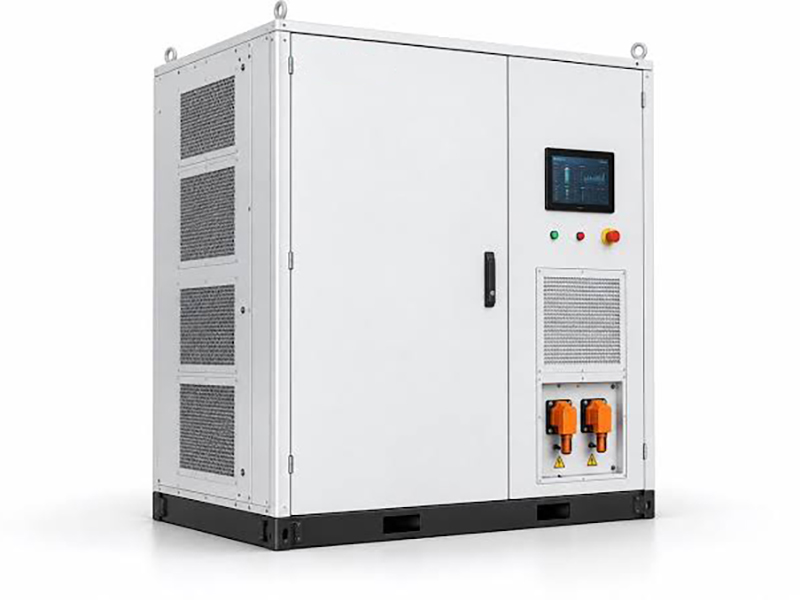
This is where direct sourcing truly shines. OEMs allow you to specify the BMS parameters—charge voltage, discharge cutoff, and even communication protocols (CAN, RS485, or Modbus) to match your existing inverter. You can request custom cable lengths, mounting brackets, or even a different enclosure color to blend with your home’s aesthetics. More importantly, you can ask for cell-level balancing adjustments if you live in a region with frequent partial shading or extreme temperature swings. A competent OEM will also provide a design review of your load profile and recommend a battery configuration that maximizes your self-consumption ratio. This is impossible with retail brands that force you into fixed SKUs.
Installation, Maintenance, and Cost Considerations
Installation costs vary wildly: a DIY-friendly unit with plug-and-play connectors can save you $1,500 in electrician fees, but improper wiring voids your warranty. OEM-direct units typically ship with detailed commissioning guides and remote diagnostics, reducing the need for on-site service calls. Maintenance is minimal—lithium batteries require no watering or equalization—but you must keep the firmware updated and monitor cell voltage drift monthly. The total cost of ownership extends beyond the purchase price: factor in the degradation rate (a 10kWh battery losing 3% capacity yearly will cost you real money in year 8), the inverter compatibility (some OEMs only work with their own inverters, locking you into an ecosystem), and the warranty claim process (direct manufacturers usually offer advance replacement, while retailers make you wait weeks). Weigh the upfront savings against the risk of being locked into proprietary hardware. If you choose wisely, buying direct is the single smartest financial decision you can make for your solar setup.