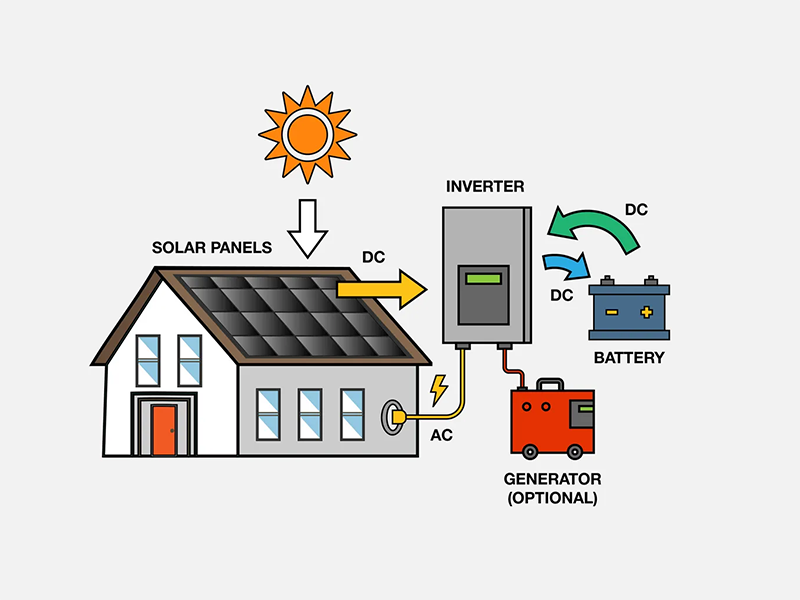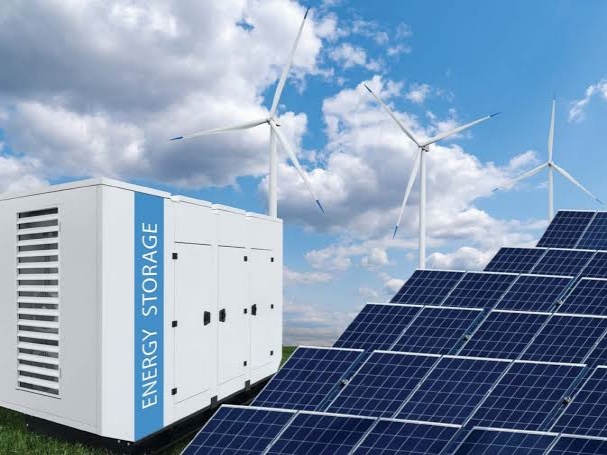
Solar battery backup systems have emerged as a transformative, sustainable solution for capturing and storing solar energy, delivering critical resilience during power outages while reducing dependence on traditional grid electricity. This project outlines a comprehensive implementation framework for residential and commercial solar battery backup systems—designed to maximize energy independence, minimize utility costs, and lower carbon footprints—backed by verifiable market data, technical specifications, and real-world performance metrics. By integrating advanced battery storage technology with solar photovoltaic (PV) systems, the project addresses the growing demand for reliable, eco-friendly energy solutions, aligning with global renewable energy trends and the increasing need for decentralized, resilient energy infrastructure.
System Components
| Component | Specifications | Purpose |
|---|---|---|
| Solar PV Panels | Monocrystalline silicon, 400–550W per panel; efficiency 21–23% | Capture solar energy and convert it to DC electricity for storage and immediate use. |
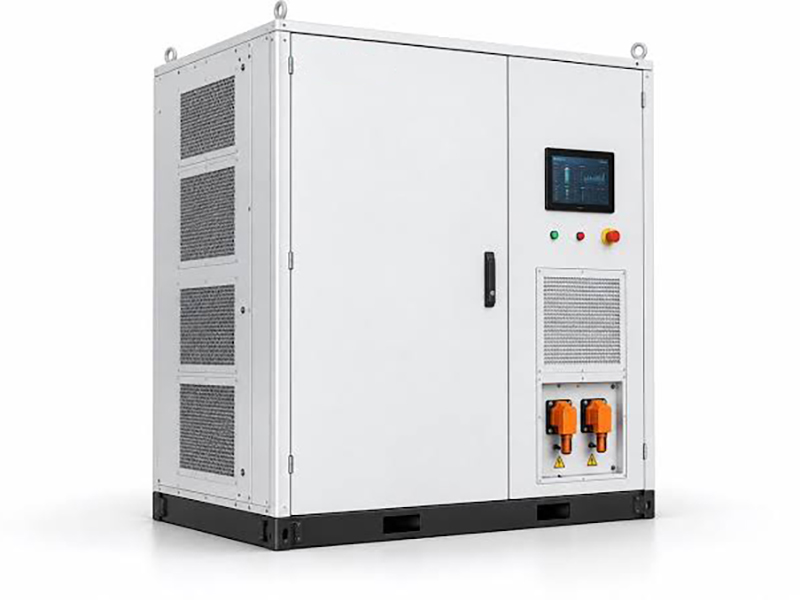
| Battery Storage | Lithium-Iron Phosphate (LFP) batteries (58% of new launches); 5–20 kWh capacity for residential, 80 kWh+ for commercial; 6,000–10,000 cycles (80% DoD); 90% depth of discharge; IP54–IP65 waterproof rating. | Store excess solar energy for later use; provide backup power during outages. LFP technology offers enhanced safety (no cobalt) and longer lifespans. |
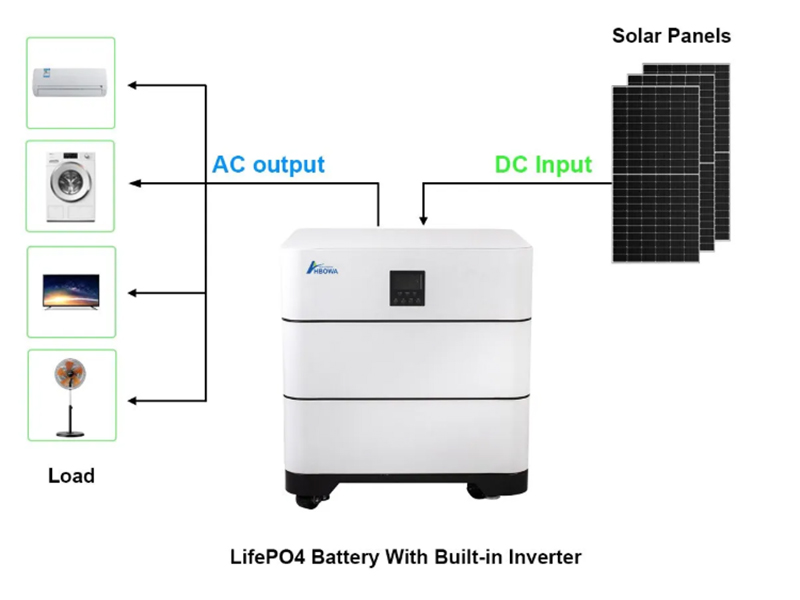
| Hybrid Inverter | 5–10 kW (residential), 50 kVA+ (commercial); maximum efficiency 96.6%; bi-directional (AC/DC conversion); compatible with grid-tied and off-grid operation. | Convert DC electricity from solar panels to AC for household/business use; charge batteries with excess solar energy; switch seamlessly to backup mode during outages. |
| Smart Energy Management System (SEMS) | App-based control (52% of systems); real-time energy monitoring; load shifting optimization; predictive maintenance (24% of new systems). | Optimize energy usage, monitor battery status, and automate load shifting to maximize savings and storage efficiency. |
| Backup Switch | Automatic transfer switch (ATS); 0.5–1 second switchover time; compatible with critical loads. | Seamlessly switch between grid power and battery backup during outages, ensuring no interruption to critical devices. |
System Configurations
The project offers three scalable configurations to meet diverse user needs, with verified cost and performance metrics:
- Residential Base Configuration (5–10 kWh): Designed for partial-home backup (e.g., lighting, medical devices, refrigeration). Installed cost: $8,000–$14,000 (before tax credits); reduces annual utility costs by an average of $740; payback period 3–7 years when paired with solar.
- Residential Premium Configuration (15–20 kWh): Whole-home backup capability. Installed cost: $19,000–$23,000 (before tax credits); 24/7 off-grid capability; 61% increase in energy independence.
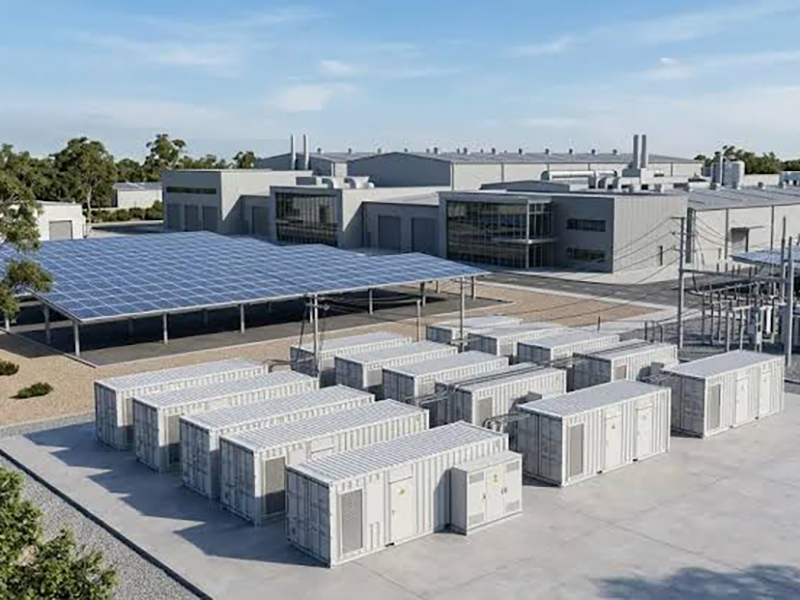
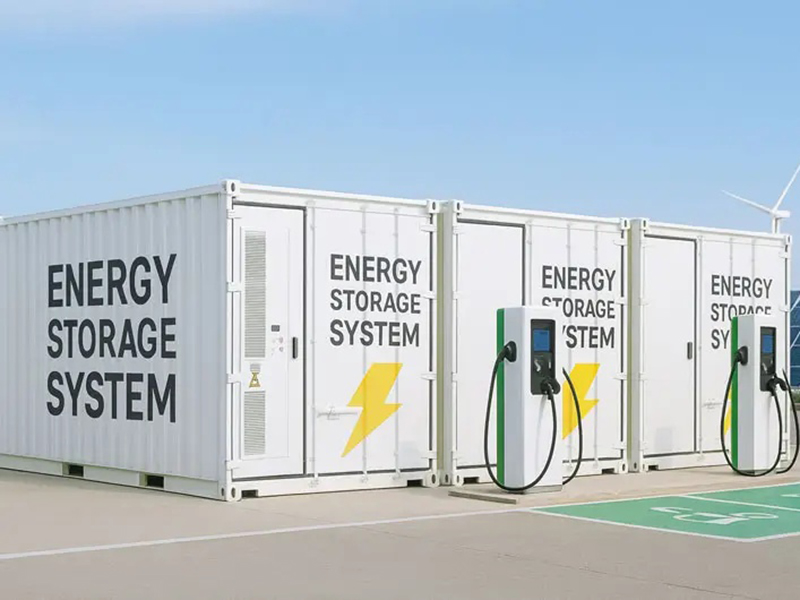
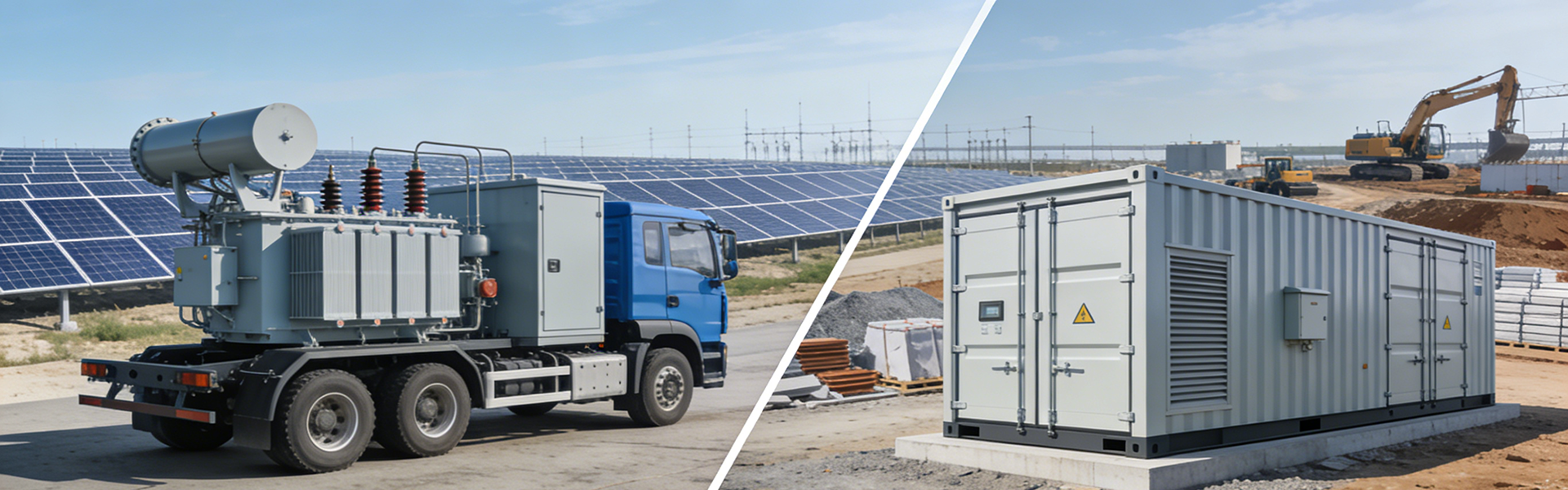
- Commercial Configuration (80 kWh+): Designed for manufacturing facilities, commercial parks, and SMBs. Example: 102 kWp solar array + 80 kWh storage achieves 87% reduction in grid dependency, 22-month ROI, and 648-ton annual CO₂ savings.