
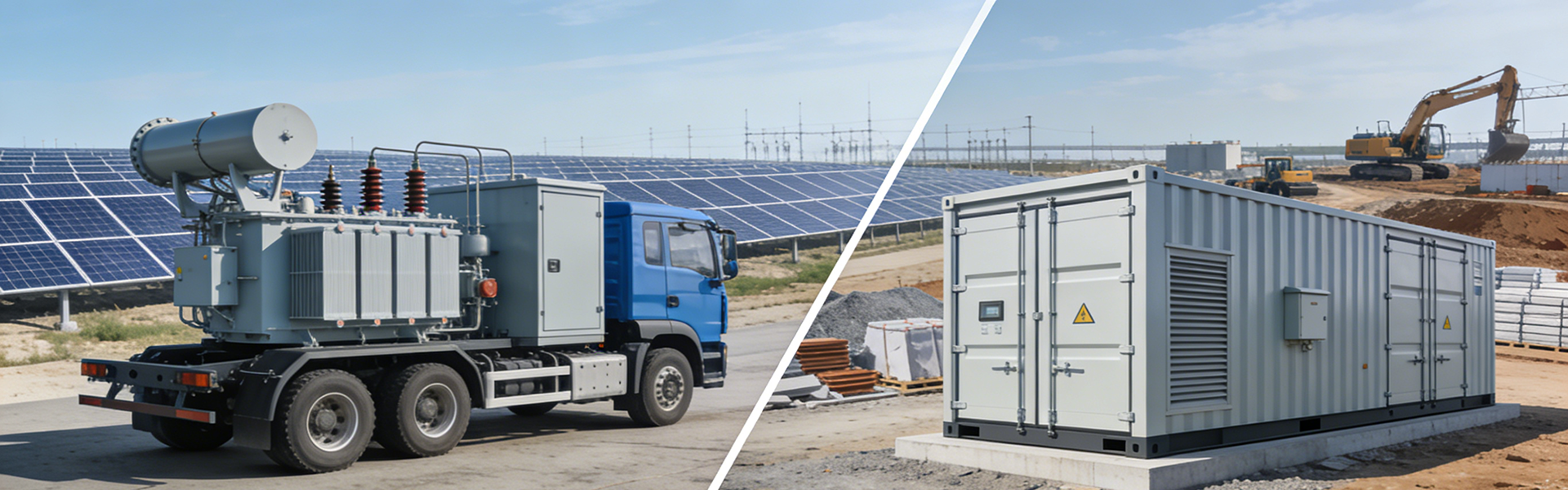
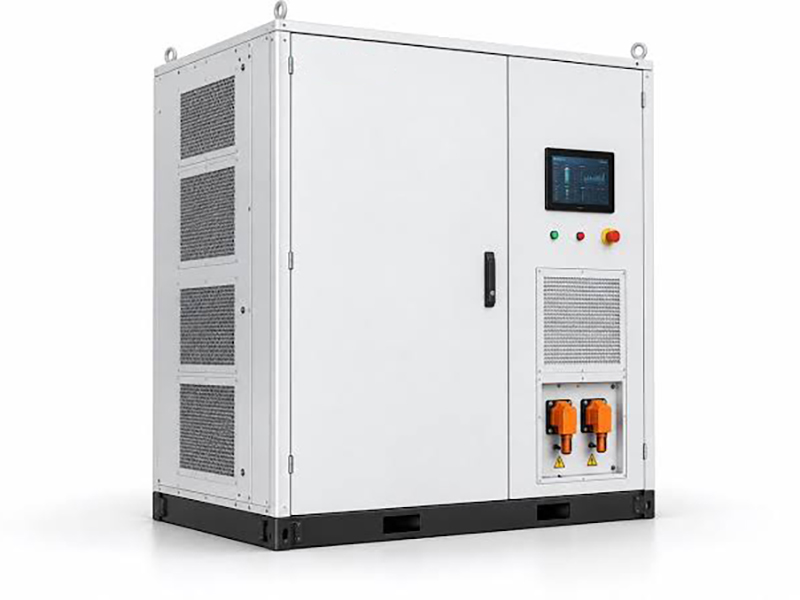
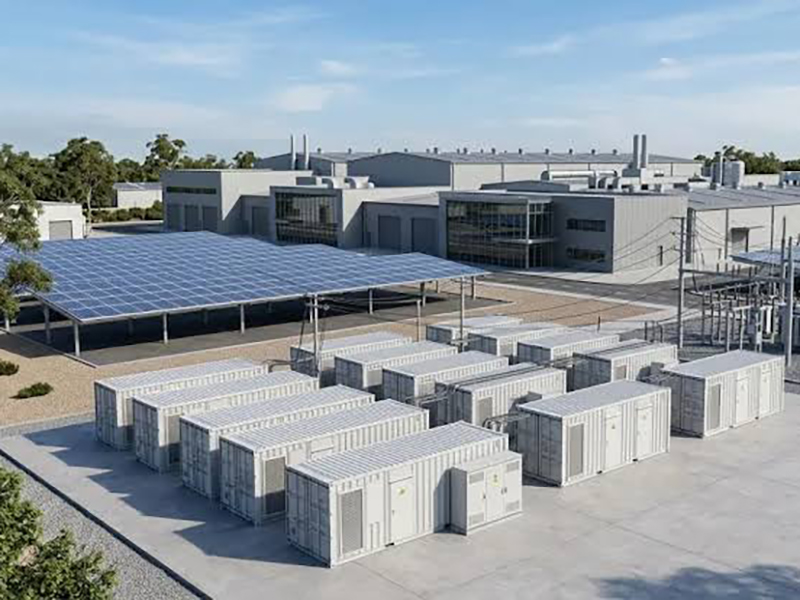
Choosing the right manufacturer for your mobile substation isn't just about picking the lowest bidder—it's about finding a partner who understands your grid’s quirks, your emergency response needs.
Understanding Your Mobile Substation Requirements
Before you even Google a single mobile substation supplier, ask yourself: What job is this substation actually doing? Is it a temporary fix during a transformer failure, a seasonal boost for a growing community, or a long-term solution for a remote mining site? The answer changes everything—voltage class, insulation type (air-insulated or compact gas-insulated), and whether you need integrated protection relays or a simple manual switchgear setup.
Don’t forget the environmental factors. Will the unit sit in freezing temperatures, coastal salt air, or dusty desert winds? This isn’t just technical trivia—it directly influences cooling systems, enclosure materials, and even the paint specification.
Evaluating Manufacturer Credentials and Industry Experience
Once you know your specs, it’s time to play detective. A manufacturer might have flashy brochures, but have they built units like yours before? Check their track record with utility companies, oil & gas operations, and disaster recovery agencies. Look for at least 10–15 years of consistent production history—mobile substations aren’t mass-produced items; they demand institutional knowledge that’s hard to fake.

Assessing Product Quality, Compliance, and Customization Options
Quality in this world is invisible until something goes wrong. So, dig into their component sourcing—do they use major brands for breakers, transformers, and switchgear, or are they cutting corners with unknown OEMs? Ask for type test certificates and routine test reports. If they hesitate, that’s a red flag you can spot from a mile away.
Customization is where the real value lives. A great mobile substation supplier won’t just offer a catalog model; they’ll ask about your existing protection schemes, communication protocols, and even your crew’s training level. Need a specific cable entry configuration or a custom skid base for truck vs. rail transport? Their willingness to adapt tells you how much they care about the end-user experience, not just the sale.
Comparing Pricing, Lead Times, and After-Sales Support
Let’s talk money, but not in the way you think. The cheapest quote often hides the most expensive total cost of ownership. Compare the price per kVA, but also factor in expected lifespan, maintenance intervals, and energy losses over 20 years. A slightly higher upfront cost can pay off in lower operating expenses and fewer surprise outages.
Lead time is another balancing act. Do you need a unit in 6 months for hurricane season, or can you wait 18 months for a fully bespoke build? Be honest about your timeline, and see if the supplier offers modular designs that speed up production without sacrificing quality. After-sales support is the hidden gem—ask about spare parts availability, remote diagnostics, and response times for on-site repair. A supplier who treats you as a partner post-delivery is worth their weight in gold.
| Comparison Factor | Budget Supplier | Mid-Range Supplier | Premium Supplier |
|---|---|---|---|
| Typical Lead Time | 6–8 months | 8–12 months | 12–18 months |
| Customization Level | Limited, catalog-based | Moderate, some flexibility | Full engineering support |
| After-Sales Support | Basic warranty, slow response | Local support, spare parts stock | 24/7 remote monitoring, rapid deployment teams |
| Documentation Quality | Minimal, basic test reports | Detailed manuals, training included | Full digital twin, lifetime records |