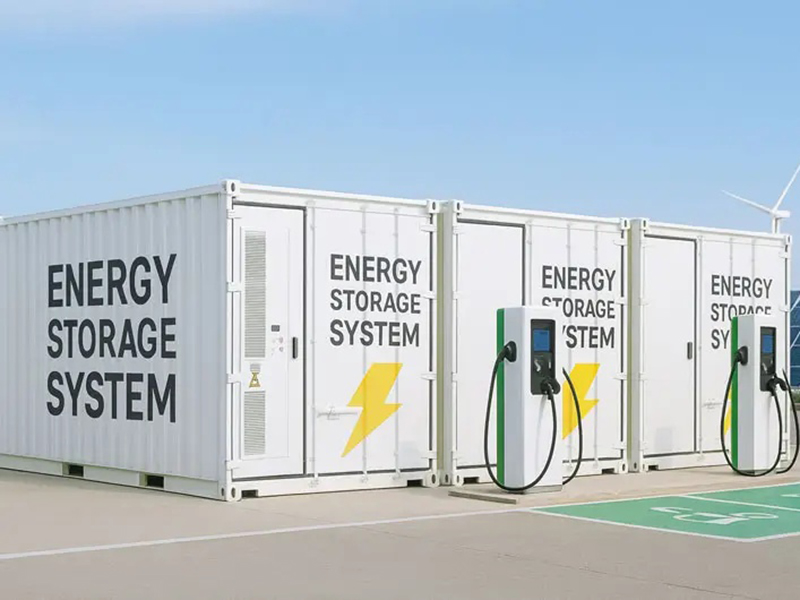
What Is Battery Energy Storage?
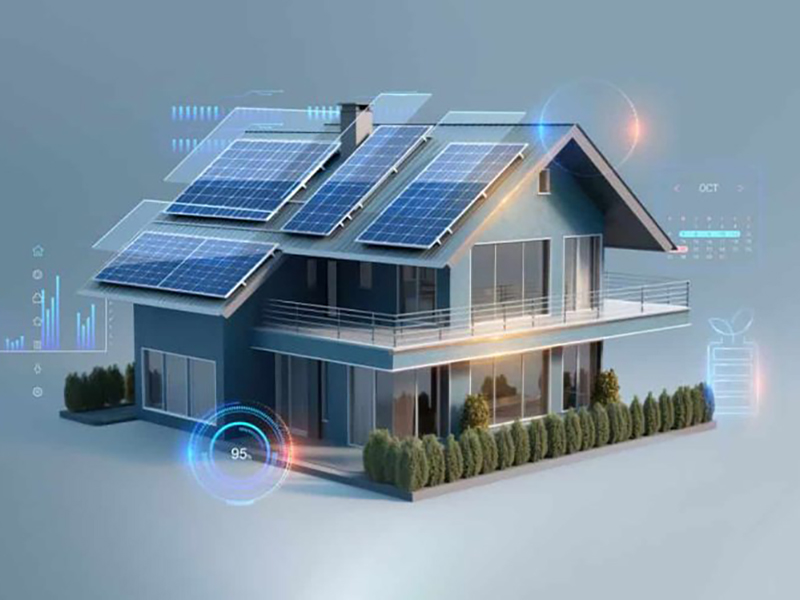
So, what exactly is a lithium-ion solar energy storage system? And what are the benefits of storing energy? While solar panels can operate independently without battery storage, any electricity that isn't consumed immediately is typically fed back into the power grid; if you are not connected to the grid, this surplus energy may even be lost entirely. It is not hard to imagine that such an approach is neither efficient nor cost-effective.
Although some utility companies participate in programs known as "Net Metering"—crediting or compensating you for the surplus energy you feed back into the grid—others may not offer such programs, or could even charge you a fee for providing this service. It is precisely against this backdrop that lithium-ion solar energy storage systems have emerged to play a pivotal role.
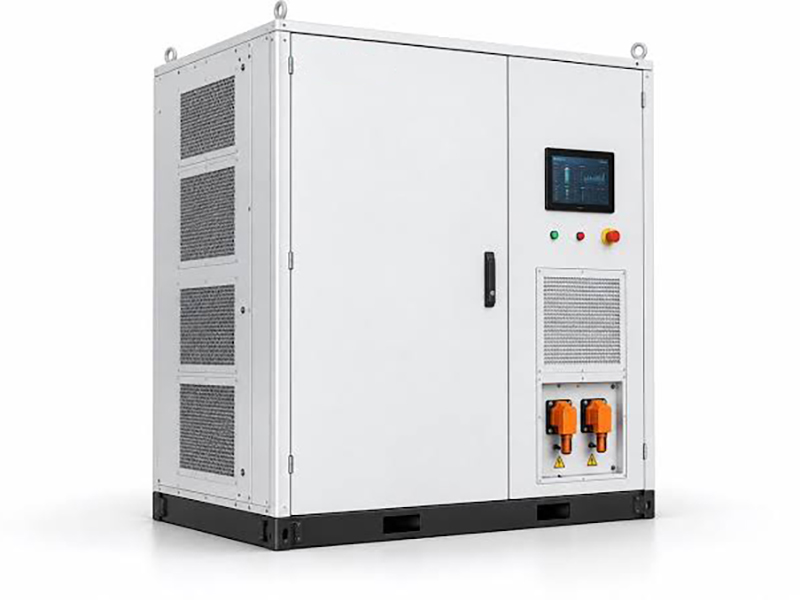
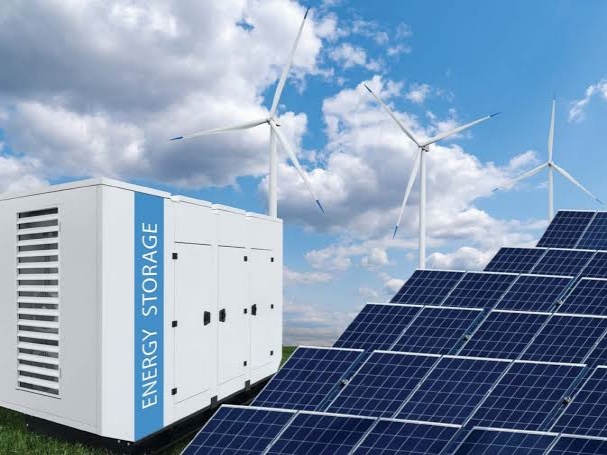
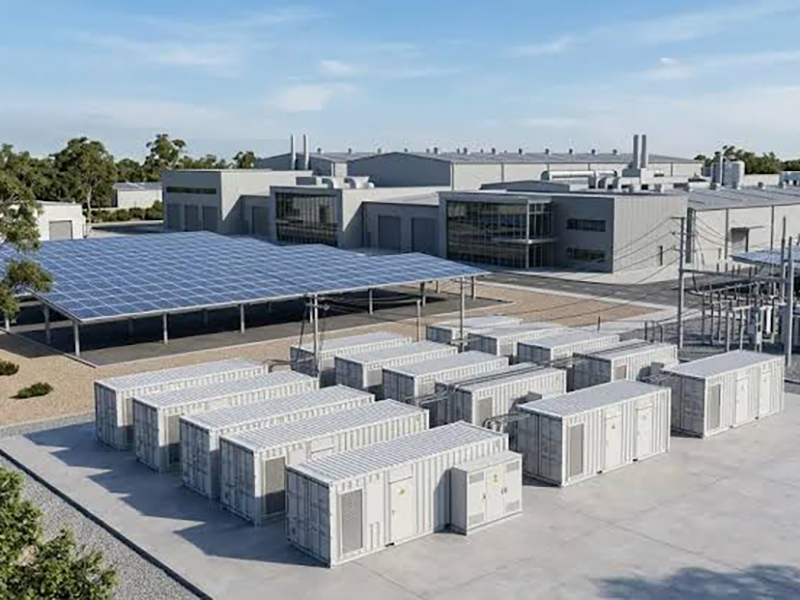
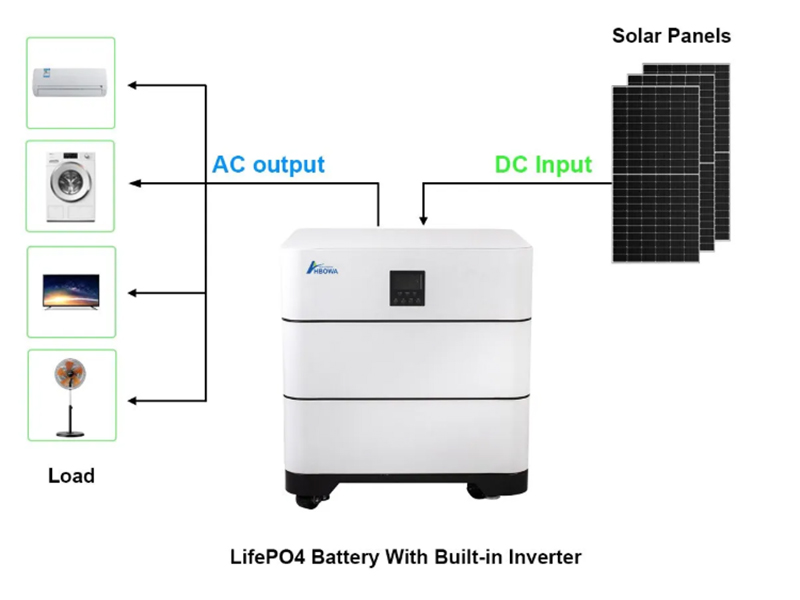
By converting the electricity captured by solar panels into potential energy and storing it within a storage unit, these systems can convert that energy back into usable electricity whenever power is needed—thereby ensuring an uninterrupted power supply that meets your energy demands at any moment. If your region is frequently plagued by emergency blackouts, rolling power outages, or general grid instability, owning a self-sufficient, independent energy system will provide you with a profound sense of security and peace of mind.
The Immense Benefits of Energy Storage
However, the value of a lithium-ion battery storage system extends far beyond those critical emergency situations. Another significant advantage is its ability to generate substantial savings on your electricity bills.
Your daily energy needs can be supplemented by your solar battery system; furthermore—during seasons of scorching heat or biting cold, when air conditioning and heating become absolute necessities—you can switch to the energy stored in your solar batteries to power your home or business, thereby cleverly avoiding the exorbitant rates utility companies charge during peak demand hours.
Once the peak period has passed, you simply switch back to grid power—it’s that easy! Additionally, you may be eligible for further financial incentives, such as various cash rebates and tax credits.