
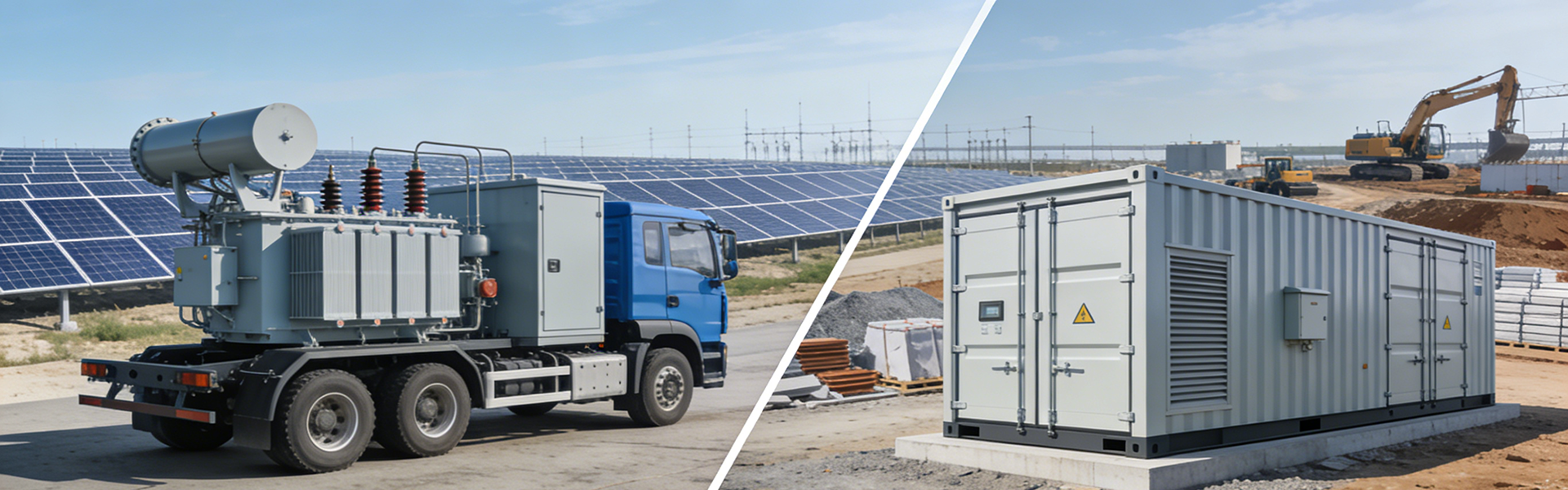
Introduction to PV Energy Storage Integrated Systems
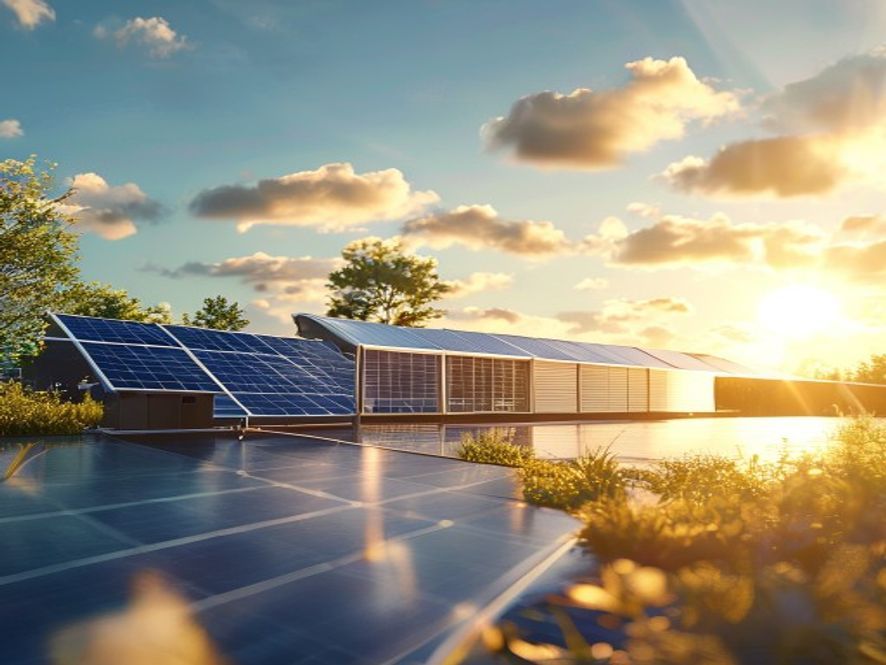
Have you ever wondered how solar power can work even when the sun isn’t shining? That’s precisely where PV energy storage integrated systems come into play. These systems combine photovoltaic panels with batteries to capture and store excess energy during sunny hours, then release it when demand peaks or clouds roll in. Think of it as a smart energy buffer that smooths out the variability of solar generation. For homeowners and businesses alike, this integration means greater energy independence and reduced reliance on the grid. But what makes these systems truly powerful is the ability to customize them—and that’s where our OEM factory steps in.
Key Benefits of Custom OEM Solutions
Why settle for a one-size-fits-all approach when your energy needs are unique? Custom OEM solutions allow you to tailor every component—from battery capacity and inverter type to system layout and monitoring software. For instance, a remote cabin might prioritize high-capacity storage for days of autonomy, while a commercial factory might focus on peak shaving to cut demand charges. Our factory works closely with clients to optimize these parameters, ensuring efficiency without overspending. The real beauty of OEM customization lies in scalability: you can start small and expand as needs grow. Plus, with modular designs, maintenance becomes a breeze—no more wrestling with incompatible parts or outdated tech.
Our Factory’s Capabilities and Quality Assurance
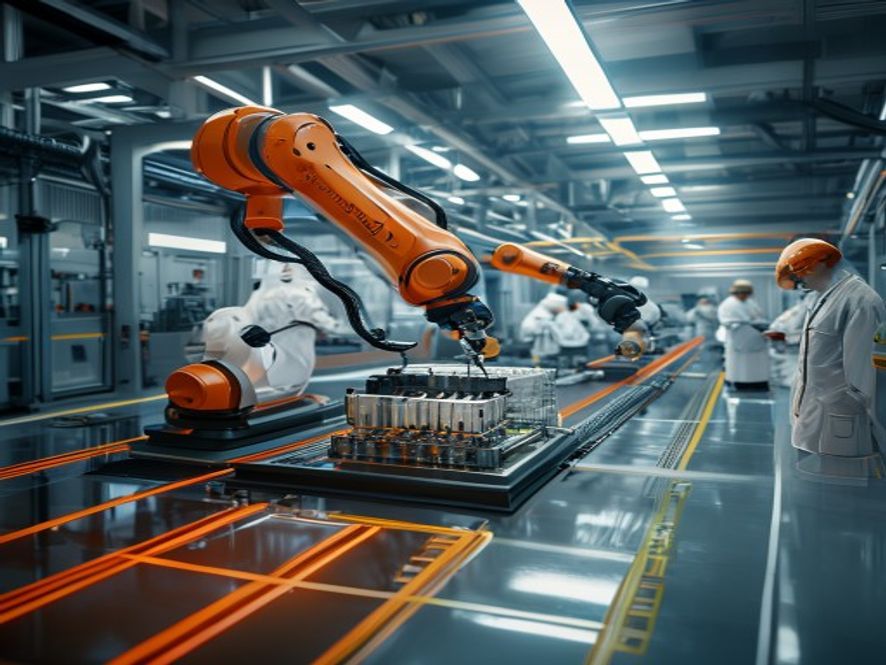
So, what can you expect from a factory that takes customization seriously? We operate with advanced manufacturing lines that handle everything from battery pack assembly to system integration testing. Every unit undergoes rigorous quality checks, including thermal cycling tests to simulate extreme weather and cycle life tests to ensure longevity. Our team of engineers collaborates directly with clients to refine designs, often prototyping within weeks. To give you a clearer picture, here’s a snapshot of our offerings:
| System Type | Battery Chemistry | Typical Capacity (kWh) | Key Application |
|---|---|---|---|
| Residential | Lithium-Iron-Phosphate | 10-20 | Home backup, self-consumption |
| Commercial | Nickel-Manganese-Cobalt | 50-200 | Peak shaving, load shifting |
| Industrial | Vanadium Redox Flow | 500-2000 | Grid stabilization, microgrids |
Applications and Future Trends
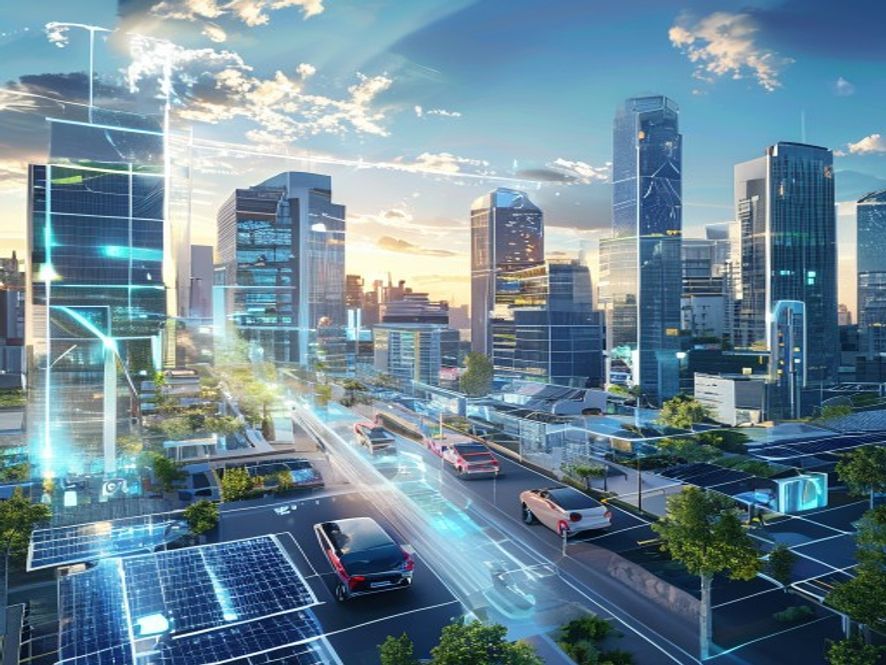
Where are these integrated systems making the biggest impact today? In residential settings, they’re enabling households to store solar power for evening use, slashing electricity bills by up to 40%. For commercial farms, they’re pairing with EV charging stations to manage load without upgrading grid infrastructure. Looking ahead, the trend is toward AI-driven energy management—systems that learn your consumption patterns and automatically optimize charging and discharging. Our factory is already embedding IoT sensors into designs, allowing real-time monitoring via mobile apps. Another frontier is second-life batteries, where we repurpose retired EV batteries for stationary storage, cutting costs and waste. The future isn’t just about more solar panels; it’s about smarter integration, and custom OEM solutions are the key to unlocking that potential.