
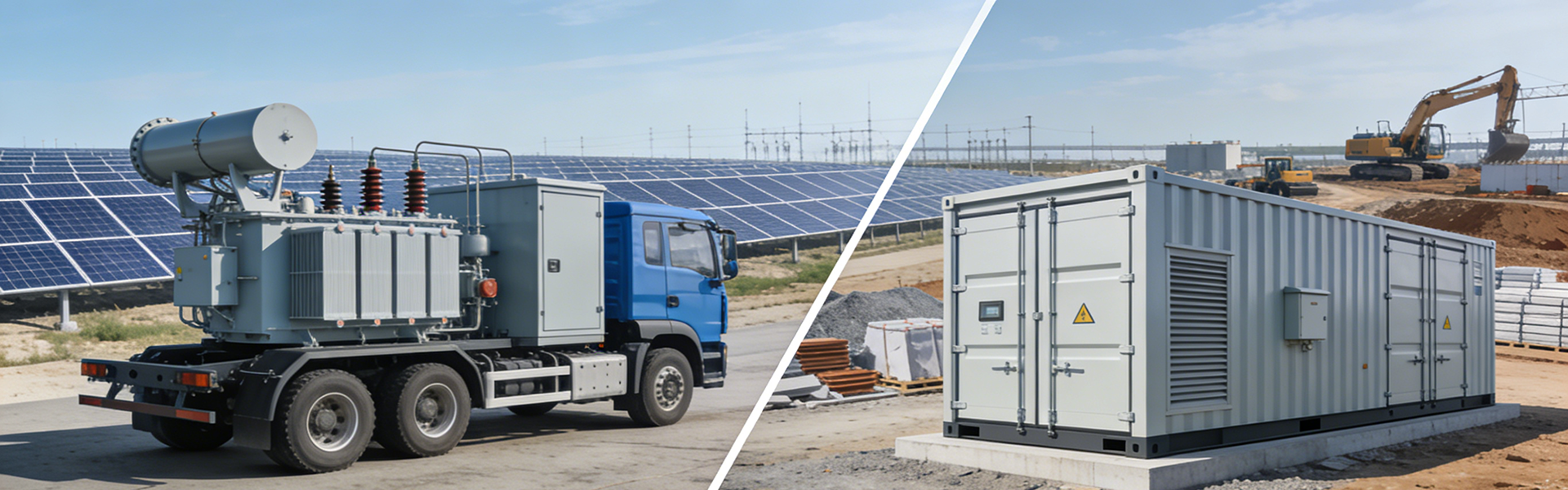

Why Choose OEM Manufacturers for Energy Storage Systems
OEM manufacturers offer a critical edge in the energy storage market by combining expertise with cost efficiency. Unlike third-party resellers, OEMs control the entire production chain, ensuring components meet rigorous standards for safety and performance. For example, Tesla’s Gigafactory integrates battery cell manufacturing with system assembly, reducing defects and enhancing reliability. This direct oversight eliminates middlemen markups, which can inflate prices by 20-30% in traditional supply chains. Moreover, OEMs often invest heavily in R&D, enabling innovations like advanced thermal management or longer cycle life, which generic brands cannot replicate. Choosing an OEM means prioritizing technical depth over convenience, a trade-off that pays dividends in long-term energy independence.
Key Advantages of Direct Purchasing
Direct purchasing from OEMs unlocks three distinct benefits: cost savings, customization, and quality assurance. First, bypassing distributors cuts overhead, allowing buyers to secure systems at factory-direct prices—often 15-25% lower than retail. Second, OEMs offer tailored solutions, such as adjusting voltage capacities or integrating proprietary software for smart grid compatibility. For instance, a commercial client might request a 500 kWh system with hybrid inverter support, a flexibility unlikely from stock vendors. Third, direct channels provide transparent quality audits; buyers can request certification documents like UL 9540 or IEC 62619 on demand. The table below contrasts direct OEM purchasing with traditional reseller routes:
| Aspect | OEM Direct | Reseller |
|---|---|---|
| Cost per kWh | $250-$350 | $350-$450 |
| Customization | Full (e.g., BMS tuning) | Limited (pre-set specs) |
| Warranty Duration | 10-15 years | 5-7 years |
| Technical Support | 24/7 direct line | Tiered via distributor |
This data underscores why direct deals often outperform generic options in both short-term savings and long-term value.
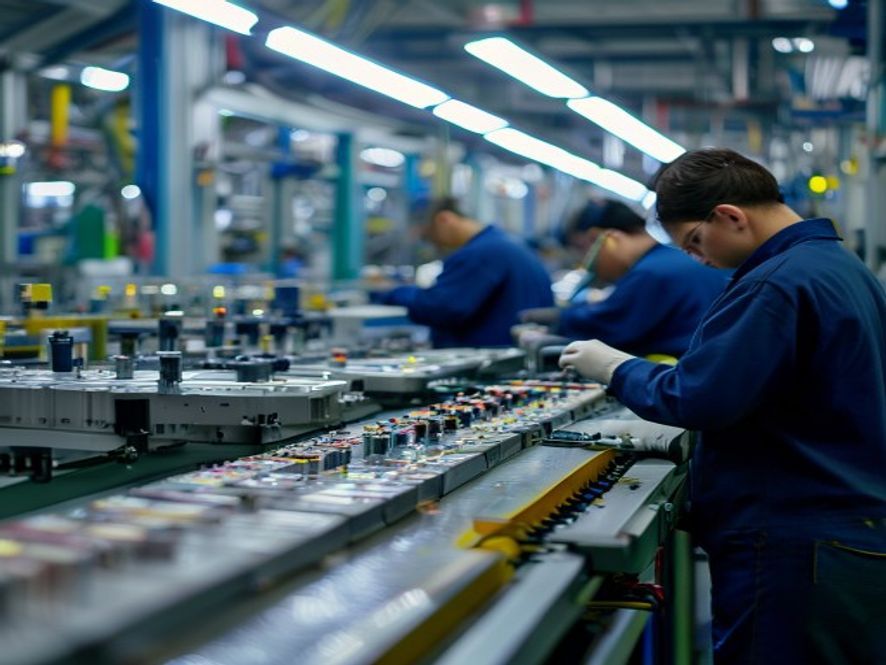
How to Select the Right OEM Partner

Steps to Order and Customize Your System
Ordering from an OEM involves a structured, collaborative process. Begin with a needs assessment: define your load profile, desired autonomy (e.g., 4 hours backup), and space constraints. For instance, a factory might require 1 MW peak output with 2 MWh capacity, while a home user needs 10 kW with 20 kWh. Then, share these specs with the OEM to generate a tailored proposal, including component lists (inverters, battery modules) and pricing tiers. After approval, the OEM produces a prototype for testing—critical for complex systems like those integrating solar or wind. Finally, negotiate delivery timelines; typical lead times range from 6-12 weeks for custom units. Always request a pre-shipment inspection to verify that the system matches the agreed design.
Ensuring Long-Term Support and Warranty
Long-term support from OEMs hinges on clear contractual terms. Demand a warranty covering at least 10 years for capacity retention (e.g., 80% after 6,000 cycles), and confirm that it includes parts and labor. For example, LG Energy Solution offers a 10-year warranty with proactive monitoring software that flags degradation early. Additionally, ensure the OEM provides local service partners or remote diagnostics, as downtime from failed inverters can cost businesses thousands per day. Read the fine print on exclusions—some warranties void coverage if the system is used in high-temperature environments without cooling upgrades. Finally, negotiate a spare parts agreement for critical components like BMS boards, which can take months to source otherwise. A reliable OEM will offer a dedicated account manager for escalations, bridging the gap between factory and field.