
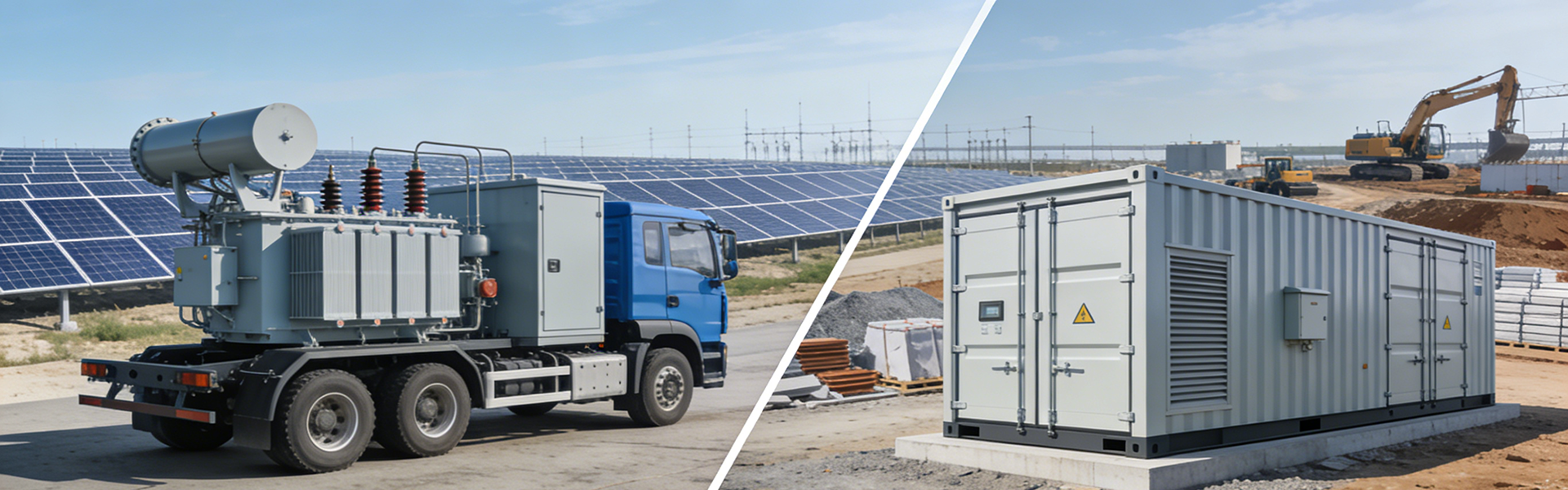

Introduction to LiFePO4 Solar Battery Cabinets
Have you ever wondered what makes a solar battery cabinet truly efficient for your home or business? The answer often lies in the chemistry inside. LiFePO4, or lithium iron phosphate, has become a standout choice for solar energy storage, offering a safe and long-lasting solution. These cabinets house multiple battery cells in a compact, weather-resistant enclosure, designed to store excess solar power for use when the sun isn’t shining. Whether you’re off-grid or looking to reduce electricity bills, this technology promises reliability and peace of mind.
Key Advantages of LiFePO4 Technology
Why choose LiFePO4 over traditional lead-acid or other lithium-ion batteries? For starters, safety is a major win. LiFePO4 is thermally stable, meaning it’s far less prone to overheating or catching fire, even under stress. Then there’s longevity—these batteries can endure over 4,000 charge cycles at 80% depth of discharge, lasting up to a decade or more. Compare that to lead-acid batteries, which might only last 500 cycles. Plus, LiFePO4 offers a consistent power output without the voltage drop you’d see in older chemistries. It’s lightweight, too, making installation easier. In short, you get more usable energy over time with less hassle.
OEM Customization and Factory Direct Benefits
Here’s where things get interesting: what if you could tailor your battery cabinet to fit your exact needs? That’s the beauty of OEM customization. You can choose the capacity, voltage, and even the cabinet’s physical dimensions to match your solar setup. For instance, a small home system might need a 5 kWh cabinet, while a commercial array could require 50 kWh. With factory-direct pricing, you skip the middleman, slashing costs by up to 30%. No retail markups, just direct support from the manufacturer. This combo of flexibility and savings makes it a smart move for both DIY enthusiasts and large-scale installers.
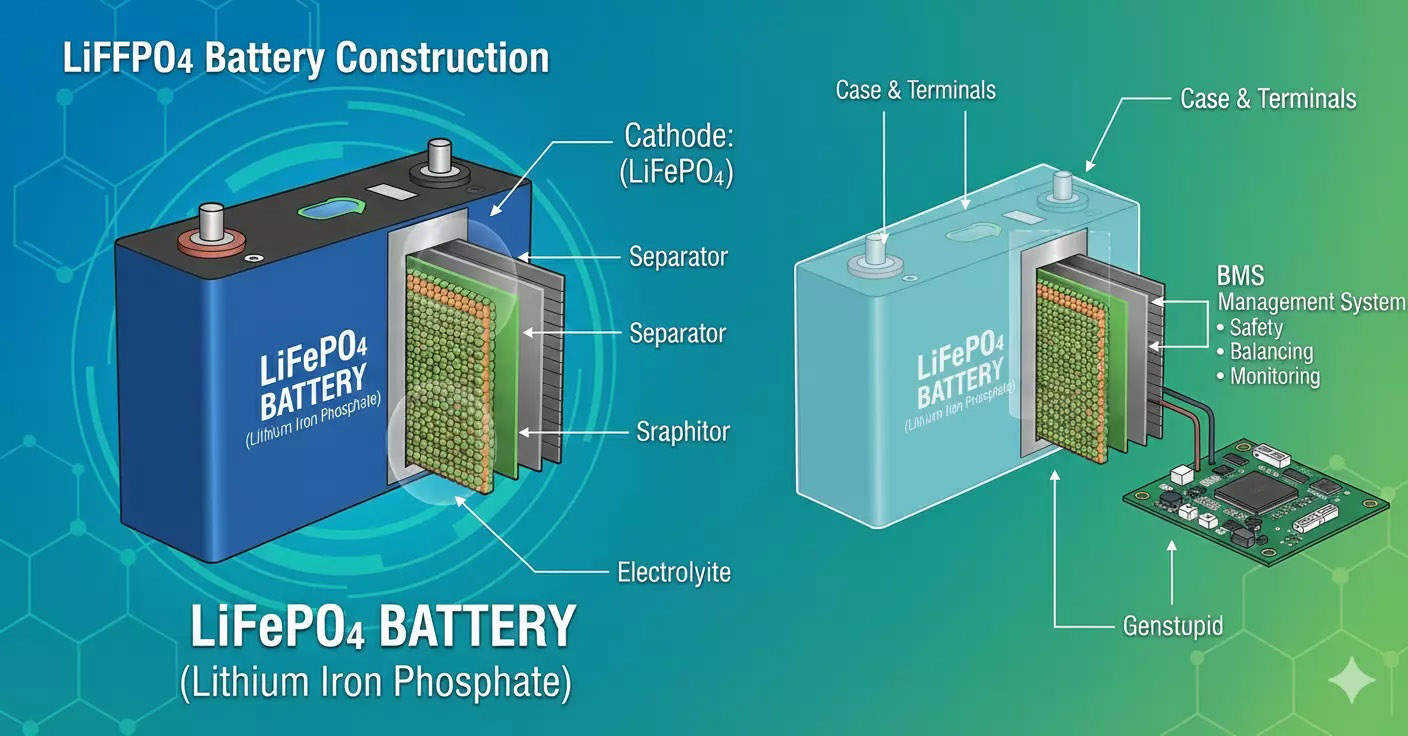

| Feature | LiFePO4 Cabinet | Lead-Acid Alternative | Lithium-Ion (NMC) |
|---|---|---|---|
| Cycle Life | 4,000+ cycles | 500-800 cycles | 2,000-3,000 cycles |
| Safety Rating | High (stable) | Low (gas emissions) | Medium (risk of thermal runaway) |
| Weight per kWh | 10-15 kg | 25-30 kg | 12-18 kg |
| Cost per Cycle | $0.05 | $0.15 | $0.08 |
Applications and Installation Considerations
So, where do these cabinets shine brightest? They’re ideal for residential solar systems, backup power for critical loads, and even off-grid cabins or RVs. Installation is straightforward but requires attention to basics like ventilation and mounting on a solid surface. Most cabinets are plug-and-play, with built-in battery management systems (BMS) to monitor voltage and temperature. Just ensure the cabinet’s IP rating matches your environment—an IP65 for outdoor use, for example. Also, consider the inverter compatibility; most modern units work seamlessly with LiFePO4. A little planning goes a long way toward maximizing performance and lifespan.