
Introduction to Solar Storage Systems
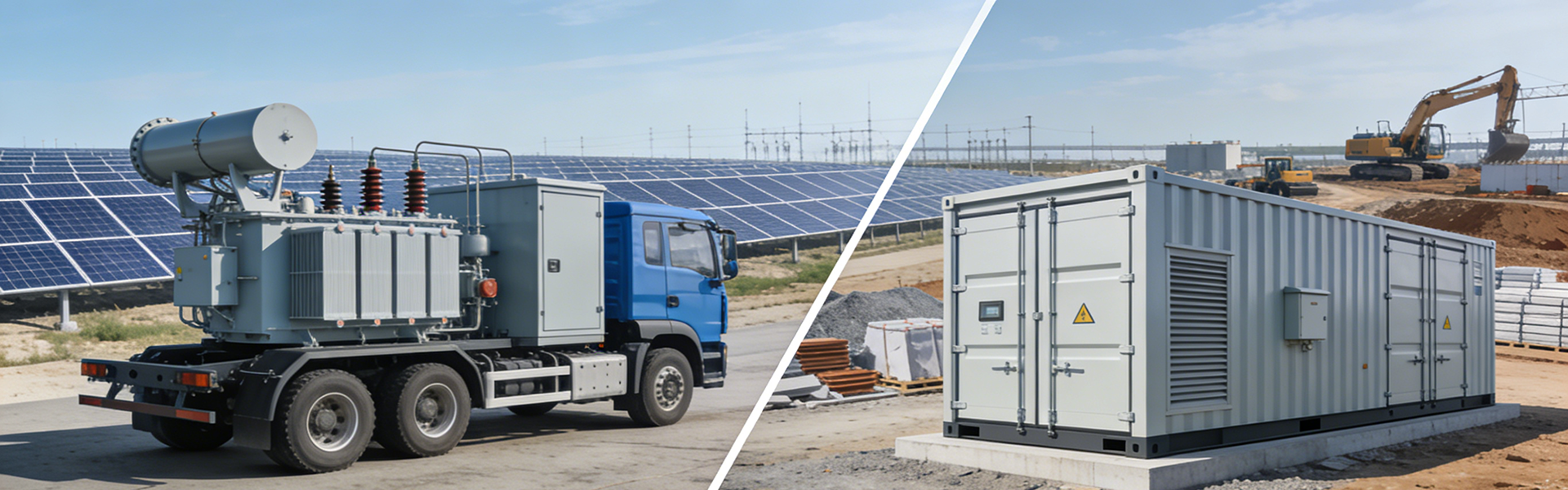
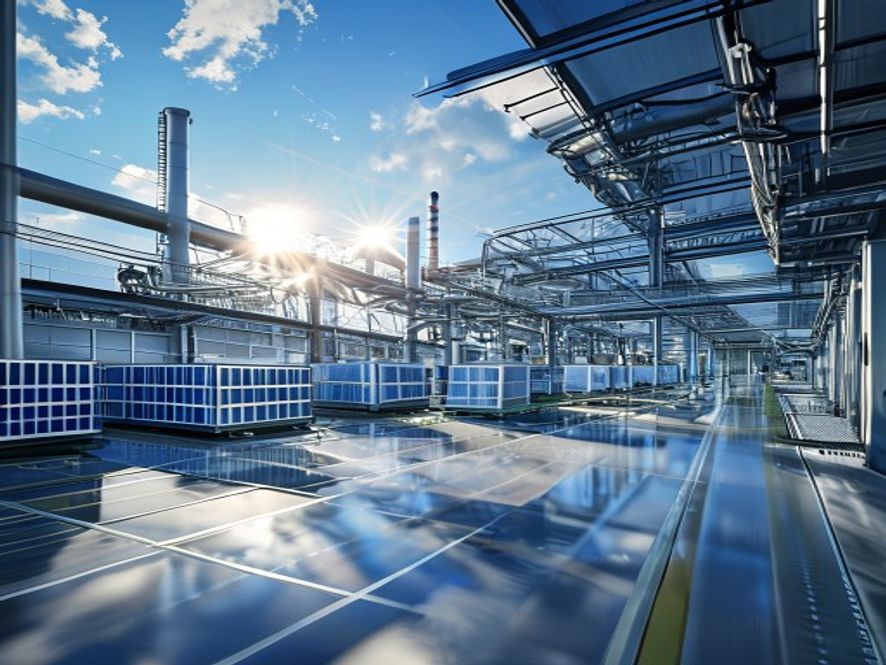
A solar storage system is not merely a battery; it is the backbone of energy independence for commercial and industrial operations. The capacity range of 100kWh to 1MWh represents a sweet spot—large enough to power a small factory or a busy retail chain, yet modular enough to scale with growing demands. Imagine a quiet morning: solar panels on the roof have already begun harvesting sunlight, and the storage unit silently captures every surplus watt, ready to release it during peak hours. This eliminates the grid’s unpredictable price spikes and ensures critical machinery never falters during a blackout. The lithium iron phosphate (LFP) chemistry inside these systems offers a cycle life of over 6,000 cycles, meaning decades of reliable service with minimal degradation.
Key Features and Technical Specifications
These systems are engineered for intelligence and safety. Each unit integrates a smart Battery Management System (BMS) that monitors cell voltage, temperature, and state of charge in real time, automatically balancing the pack to prevent overheating or overcharging. The enclosure is rated IP54, resisting dust and water splashes, making them suitable for both indoor warehouses and outdoor installations under a simple canopy. Communication protocols like Modbus and CAN bus allow seamless integration with existing inverters or energy management platforms.
Note how the cooling method shifts from passive to active at larger capacities—this prevents thermal runaway even under sustained high loads.
Custom OEM Solutions for Your Needs
Applications and Use Cases
A 200kWh system can shave 50% off peak demand charges for a mid-sized supermarket, reducing monthly electricity bills by thousands of dollars. In rural manufacturing plants, a 500kWh unit paired with a solar array of 150kWp allows the factory to run three production lines entirely off-grid during sunny days, with the battery covering night shifts. Even in urban data centers, a 1MWh system provides critical backup for 30 minutes of full-load operation, bridging the gap until a generator kicks in. Agricultural operations benefit too: a solar-plus-storage setup can power irrigation pumps continuously, storing energy during the morning and releasing it at noon when the sun is highest but the grid is strained.
Why Choose Our Factory and Next Steps
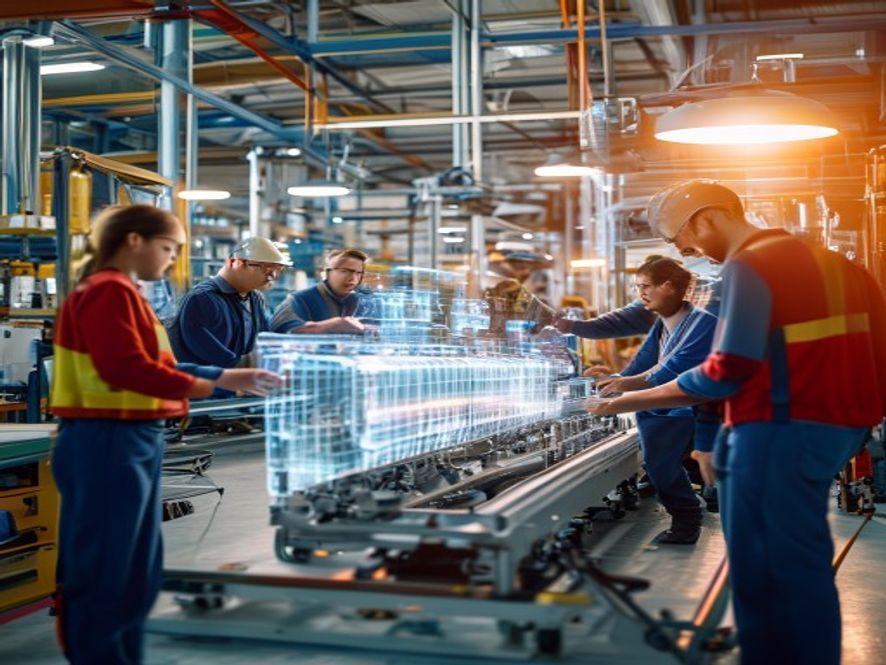
We are not a reseller; we are the OEM manufacturer with ISO 9001 and UL certifications stamped on every cell. Our team of 200 engineers designs the thermal management and cell balancing from the ground up, ensuring each system passes a 72-hour burn-in test before shipping. Lead times are as low as 4 weeks for standard configurations, with rapid prototyping for custom orders. To get started, simply provide your daily load profile and roof area—we will generate a free feasibility report within 48 hours, including payback period analysis. The next step is a consultation call to finalize the cell chemistry, enclosure color, and warranty terms (standard is 10 years, extendable to 15). Let us turn your solar ambition into a tangible asset.