
Why Is Solar Energy Storage Important for Energy Resilience?
As the electrical grid ages and extreme weather events increase, power outages are becoming more frequent. In wildfire-prone regions, utilities are implementing planned Public Safety Power Shutoffs (PSPS) to reduce fire risk, leaving many homes and businesses without electricity for hours or even days.
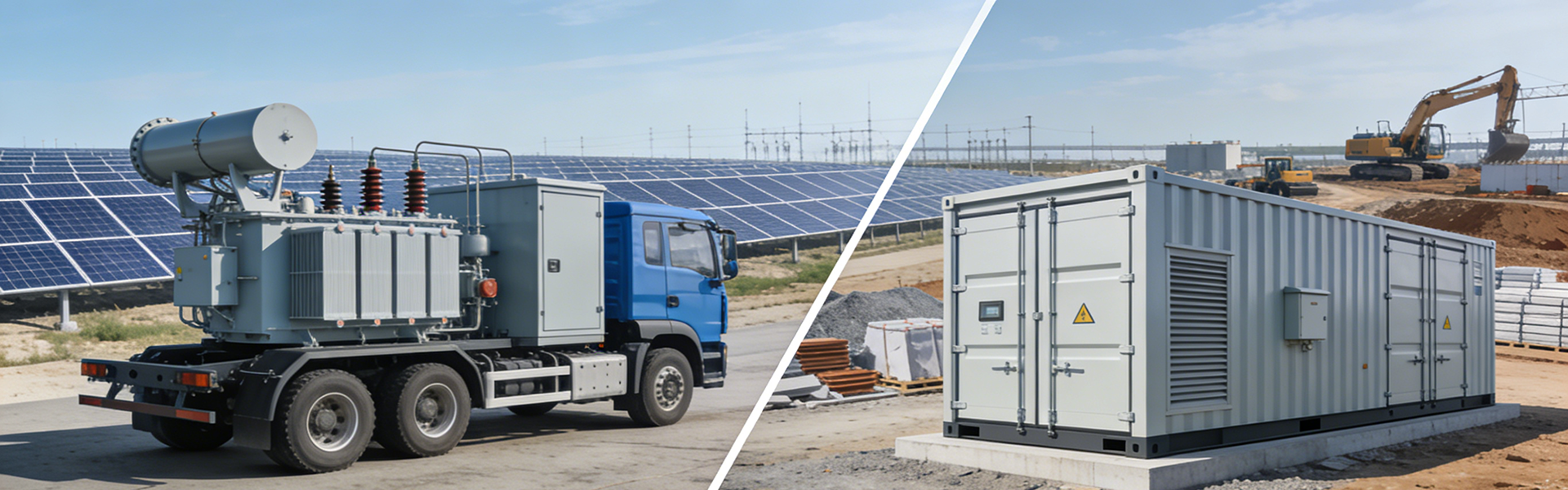
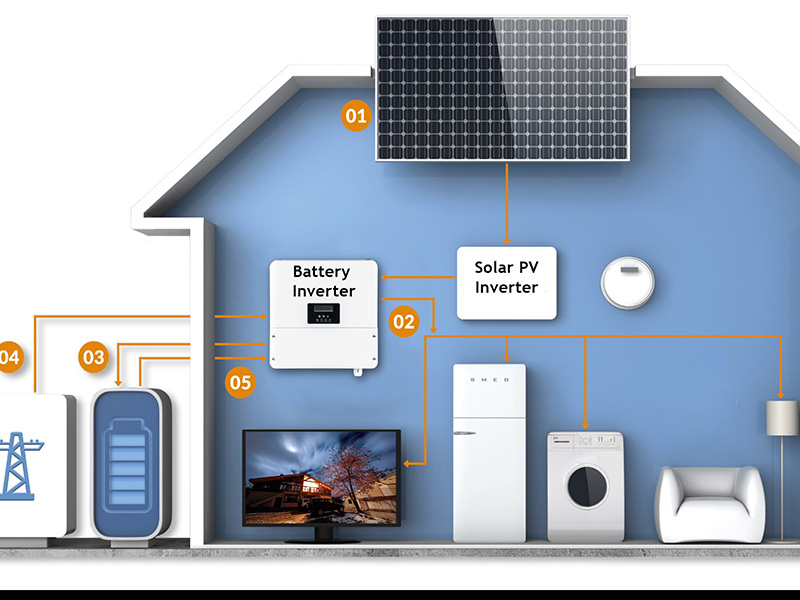
While gas-powered backup generators offer a short-term fix, they rely on fossil fuels, generate noise, and emit carbon. In contrast, solar energy storage systems are a clean, quiet, and increasingly cost-effective solution. These systems store surplus solar electricity for later use, providing solar power backup during grid outages and helping stabilize the broader grid by balancing supply and demand.
In high-solar penetration regions, excess solar energy during midday often leads to curtailment or wasted electricity. This challenge is visualized by the duck curve, which illustrates the mismatch between solar generation and consumer demand. Solar energy storage helps address this by storing unused power during low-demand periods and discharging it when demand spikes, enhancing overall grid.